


Heart disease treatment does not begin with angioplasty, nor does it end when a procedure is completed. Effective cardiac care is a process that begins with establishing the correct diagnosis and continues through treatment, risk-factor control and follow-up.
For patients seeking heart disease treatment in Nashik, understanding this pathway can make consultations and treatment decisions easier to navigate.
Step 1: Understanding the Symptoms
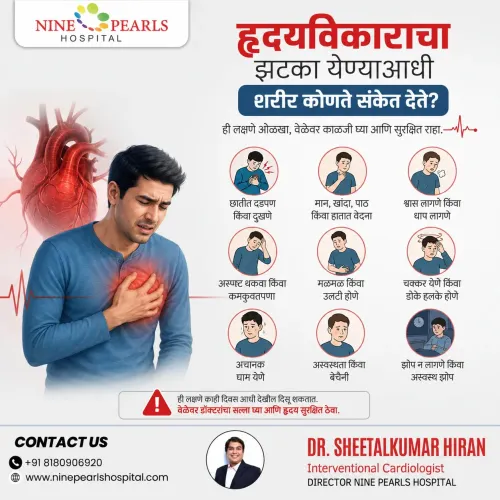
A cardiac evaluation often begins because of symptoms such as chest discomfort, shortness of breath, palpitations, reduced exercise tolerance or unexplained fatigue.
Other people are referred because routine tests reveal abnormalities or because they have significant cardiovascular risk factors.
The cardiologist first needs to establish whether the symptoms are cardiac and, if so, what condition is responsible.
Step 2: Choosing Appropriate Tests
Testing depends on the clinical situation.
An ECG is commonly used to evaluate the heart's electrical activity. Echocardiography can provide information about heart structure and function. Blood tests and stress testing may also be considered.
When coronary artery disease requires more detailed assessment, coronary angiography can visualize the arteries and identify narrowing or blockage.
Step 3: Selecting Treatment
Heart disease treatment is individualized.
Some patients primarily require:
- Lifestyle modification
- Blood-pressure management
- Cholesterol treatment
- Diabetes management
- Medicines for diagnosed cardiac disease
- Regular monitoring
Other patients with significant coronary disease may require a procedure.
Angioplasty uses a catheter and balloon to open a narrowed coronary artery, and a stent is often placed to help maintain the opening.
In other circumstances, coronary bypass surgery may be considered.
Step 4: Recovery and Secondary Prevention
Treatment of a coronary blockage addresses an immediate problem, but preventing future cardiovascular events remains important.
Following a heart attack, ongoing care may involve heart-healthy eating, appropriate physical activity, maintaining a healthy weight, avoiding smoking, taking prescribed medicines and monitoring symptoms.
Step 5: Continuing Cardiology Follow-Up
Dr Sheetalkumar Hiran at Nine Pearl Hospital provides cardiology and interventional cardiology care for patients in Nashik who require evaluation and management of cardiovascular conditions.
Follow-up may be especially important after a heart attack, angioplasty or stent placement, as treatment plans and cardiovascular risk factors need continued review.
Patients should keep an updated medication list and copies of important cardiac reports. New symptoms should also be discussed rather than assuming they are expected after previous treatment.
For Nashik patients, the goal of cardiac care should extend beyond treating a single episode. Diagnosis, appropriate intervention when required, medication adherence, prevention and ongoing monitoring work together to support long-term cardiovascular health.
Anyone experiencing symptoms suggestive of an acute heart attack—particularly persistent chest discomfort with breathlessness, sweating, nausea, dizziness or spreading upper-body discomfort—requires immediate emergency medical attention rather than waiting for a routine cardiology appointment.