


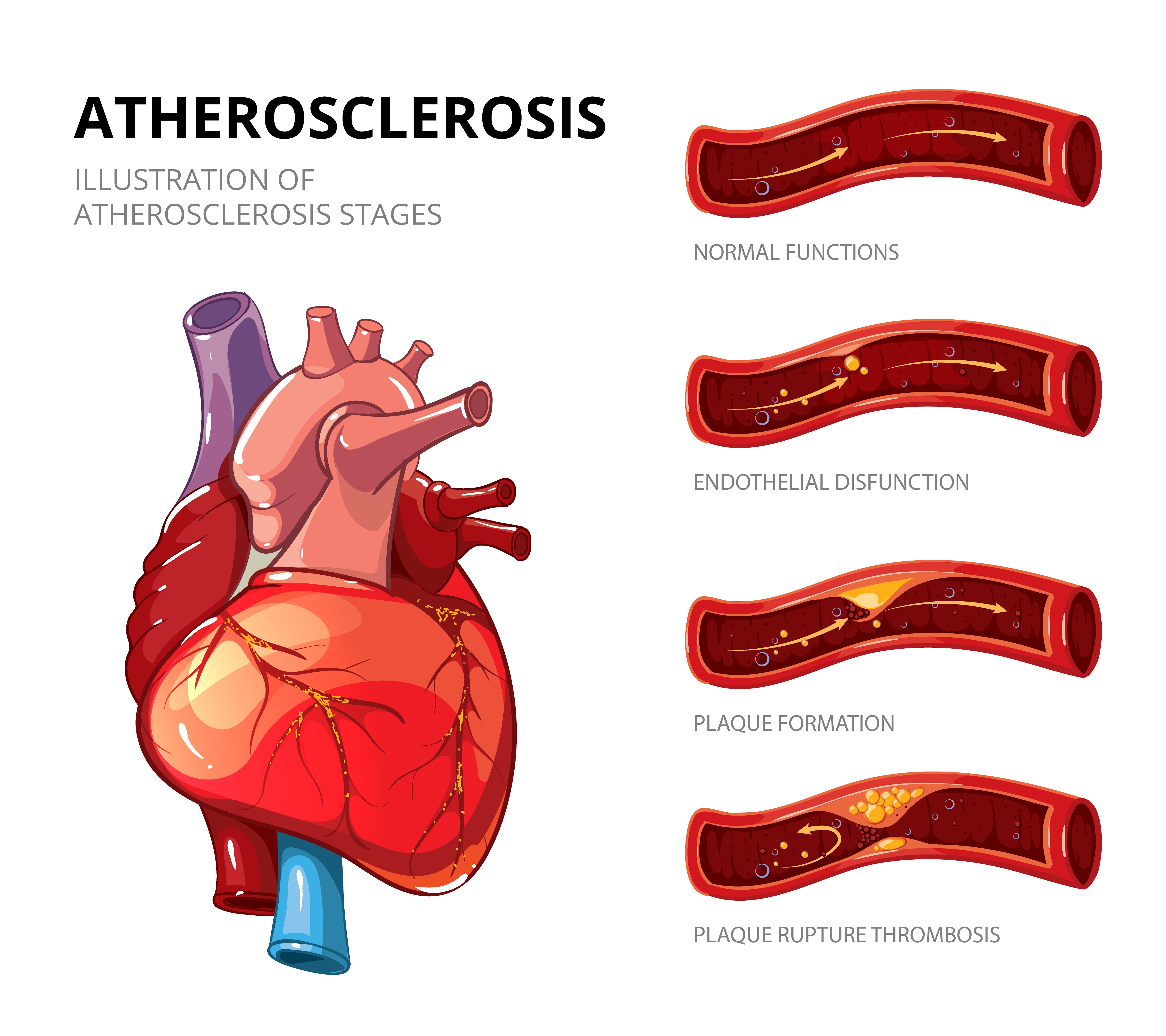
Being told that a coronary artery is narrowed can immediately raise questions about Angioplasty. Is the procedure always required? How does it open an artery? Does every blockage need treatment?
The answer depends on the individual case. Angioplasty is an established catheter-based procedure used to improve blood flow through selected narrowed or blocked coronary arteries, but the decision to perform it depends on symptoms, test findings, clinical circumstances, and the pattern of coronary disease.
How Angioplasty Works
During coronary angioplasty, a catheter is guided through a blood vessel toward the coronary arteries. A small balloon is positioned at the narrowed area and inflated to widen the artery.
A coronary stent is commonly placed to help keep the treated segment open.
Because the procedure is performed through blood-vessel access rather than through a large chest incision, it differs substantially from open-heart bypass surgery.
When Might It Be Considered?
Angioplasty may be considered in situations such as:
- Certain acute heart attacks
- Significant coronary narrowing associated with symptoms
- Selected cases of angina despite appropriate medical treatment
- Coronary disease where revascularization is clinically appropriate
The presence of a blockage by itself does not determine treatment.
Doctors also consider its location and severity, how much heart muscle is affected, the patient's symptoms, other medical conditions, and whether medication, angioplasty, or bypass surgery offers the more appropriate approach.
What Happens Before the Decision?
Coronary angiography provides detailed information about the coronary arteries. Other investigations and the patient's clinical presentation may also influence the decision.
Patients should understand why the procedure is being suggested, what alternatives exist, and what medications and follow-up may be needed afterward.
Treatment Continues After the Procedure
Angioplasty treats a particular narrowing; it does not remove the underlying tendency to develop atherosclerosis throughout the cardiovascular system.
Long-term management may therefore involve:
- Prescribed medication
- Cholesterol management
- Blood pressure control
- Diabetes management
- Tobacco cessation
- Appropriate physical activity
- Heart-healthy dietary habits
- Scheduled cardiac follow-up
Patients in Nashik considering coronary intervention can consult Dr Sheetalkumar Hiran for evaluation of their coronary condition and discussion of appropriate treatment options.
Understanding angioplasty before undergoing it can help patients ask more useful questions and recognize that the procedure is one component of broader cardiovascular care. The central issue is not simply whether a blockage exists, but which treatment approach is appropriate for that person's coronary anatomy and clinical condition.