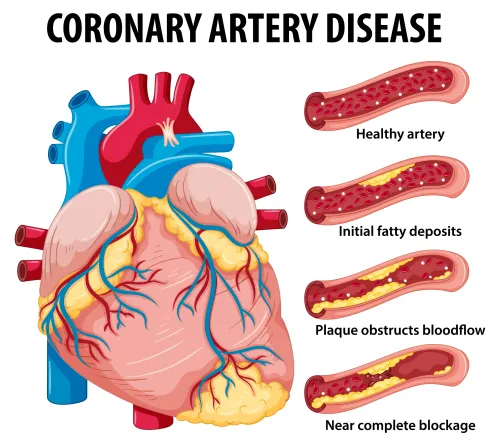


Learning that a coronary artery is narrowed can immediately raise an important question: will medicines be enough, or is angioplasty required?
There is no universal answer. Coronary artery disease varies substantially between patients, and treatment depends on symptoms, test findings, the severity and location of disease, and the person's overall clinical condition.
When Medical Management May Be Considered
Not every coronary narrowing requires a procedure.
When coronary narrowing does not significantly restrict blood flow, management may involve medication and lifestyle measures. Treatment can include controlling blood pressure and cholesterol and addressing other cardiovascular risk factors.
The exact medications depend on the patient's diagnosis and should be individualized by the treating doctor.
When Angioplasty Enters the Discussion
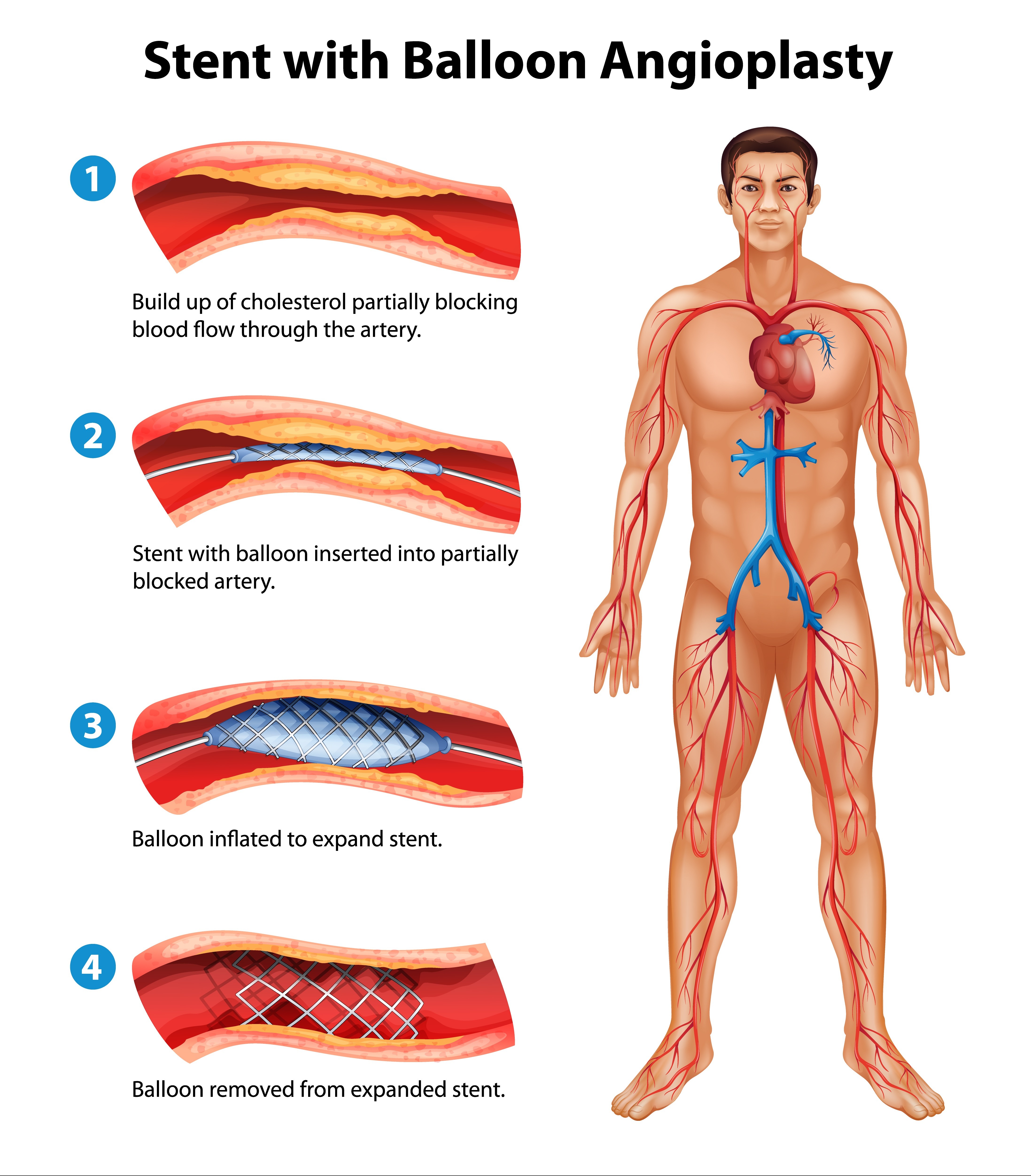
Coronary angioplasty, also known as percutaneous coronary intervention or PCI, is used to open a narrowed or blocked coronary artery.
A small balloon is positioned at the affected area and expanded to improve the opening of the artery. A stent is commonly placed to help keep the artery open.
Angioplasty may be considered in different clinical circumstances, including certain significant coronary blockages and some heart attacks.
Why the Angiogram Matters
A coronary angiogram provides detailed images of the coronary arteries.
If it identifies significant narrowing or blockage, the cardiology team can evaluate possible treatments. Depending on the findings, options may include:
- Medical management
- Angioplasty and stent placement
- Coronary artery bypass surgery
The decision cannot be made simply by knowing that a 'blockage' exists. Its location, severity and effect on blood flow matter.
Questions Patients Can Ask
When evaluating treatment options, useful questions include:
- How severe is the narrowing?
- Which artery is affected?
- What is the goal of the recommended treatment?
- Are medicines an appropriate option?
- Why is angioplasty being recommended?
- Are there alternatives?
- What follow-up will be required?
- What lifestyle changes should accompany treatment?
These questions can help patients and families understand the reasoning behind a treatment recommendation.
For people evaluating heart disease treatment in Nashik, Dr Sheetalkumar Hiran at Nine Pearl Hospital provides cardiology and interventional cardiac care based on clinical assessment and investigation findings.
The key point is that angioplasty and medication should not be viewed as competing treatments where one is automatically 'better.' They serve different purposes in different circumstances.
An individualized cardiac assessment helps determine which approach is appropriate and whether a procedure is needed at all. Patients should understand their diagnosis, treatment objective and follow-up requirements before making decisions about ongoing coronary artery disease management.