

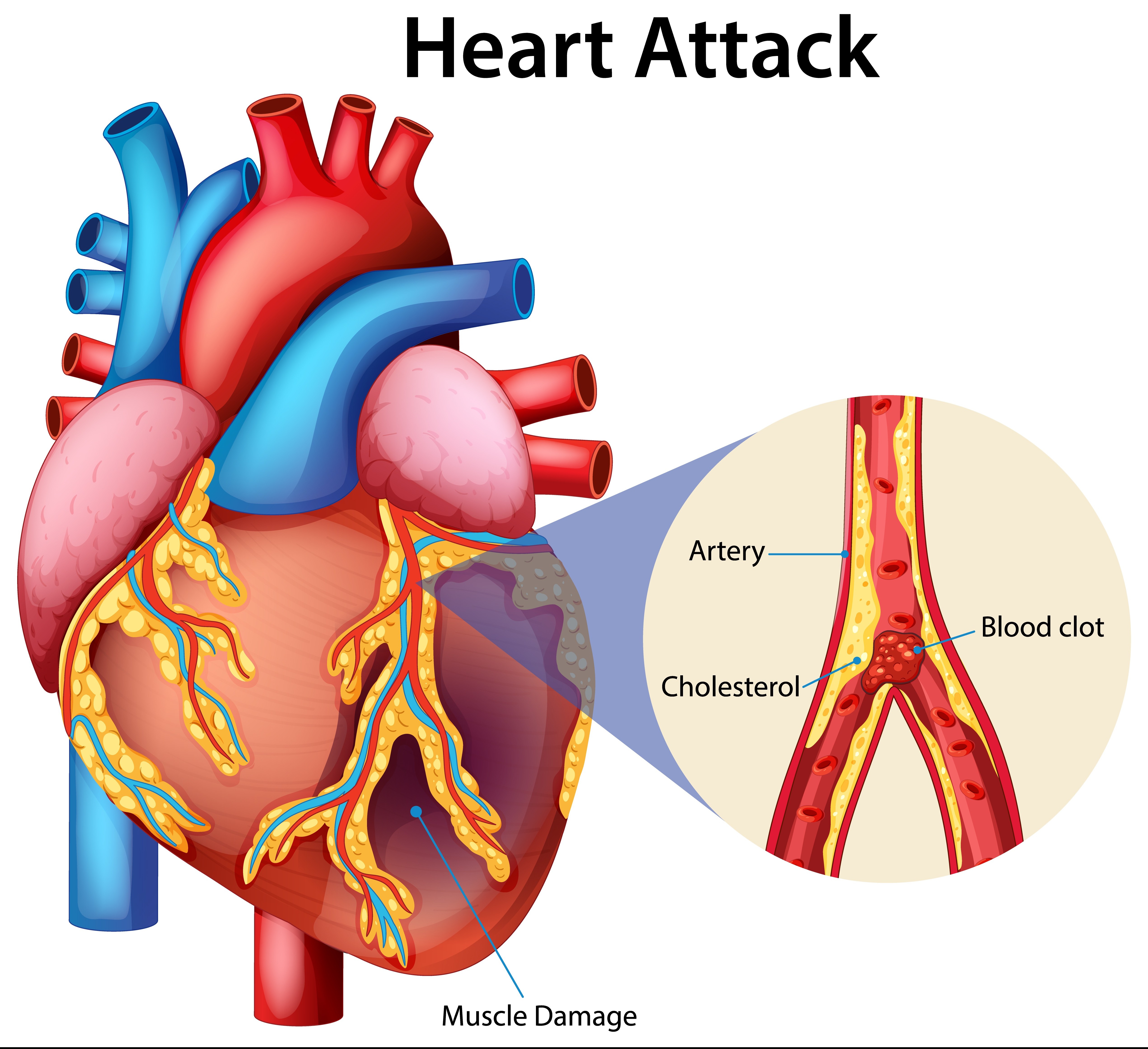
A heart attack can occur when blood flow through a coronary artery is suddenly reduced or blocked, depriving part of the heart muscle of oxygen. In certain types of heart attack, restoring blood flow quickly can limit heart-muscle damage and improve outcomes.
That is why Heart Attack Treatment begins with recognizing warning signs and reaching emergency medical care promptly.
Warning Signs Can Vary
A heart attack does not always present as dramatic chest pain.
Possible symptoms include:
- Pressure, squeezing, heaviness, or pain in the chest
- Discomfort spreading to the arm, shoulder, jaw, neck, or back
- Shortness of breath
- Cold sweating
- Nausea or vomiting
- Light-headedness or faintness
- Sudden unexplained weakness
Some people, including individuals with diabetes and some older adults, may experience less typical symptoms.
New severe or persistent symptoms suggestive of a heart attack require immediate emergency assessment.
What Happens at the Hospital?
Evaluation generally begins quickly because doctors need to determine whether the symptoms represent an acute coronary syndrome and, if so, what type.
An ECG is a key early investigation. Blood tests, including cardiac biomarkers, can provide additional evidence of heart-muscle injury. Other investigations may be used depending on the situation.
Why Angioplasty May Be Urgent
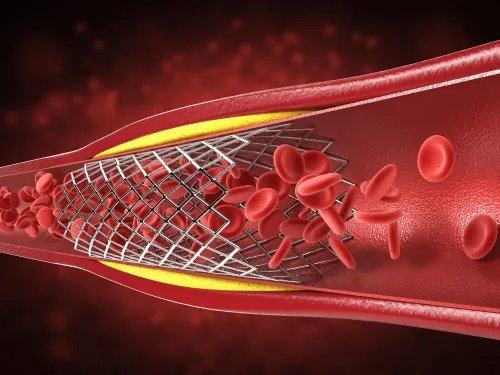
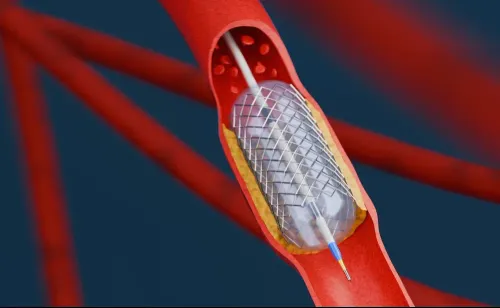
In an ST-elevation myocardial infarction, commonly called STEMI, a coronary artery may be acutely blocked. Primary angioplasty can be used to reopen the affected artery when it is the appropriate and available reperfusion strategy.
A catheter is guided to the coronary arteries, the blockage is treated, and a stent is commonly inserted.
Other heart attacks may follow different treatment pathways based on clinical stability, ECG changes, blood results, coronary anatomy, and overall risk.
Care Continues After the Emergency
Surviving the initial event is only the first phase.
After a heart attack, patients may require medication, cardiac rehabilitation, cholesterol and blood-pressure management, diabetes control, dietary modification, appropriate exercise planning, and regular follow-up.
Smoking cessation is particularly important for patients who use tobacco.
For patients requiring cardiac evaluation and interventional cardiology care in Nashik, Dr Sheetalkumar Hiran manages cardiovascular conditions including coronary artery disease and situations in which coronary intervention may be indicated.
When heart-attack symptoms are occurring, however, a routine clinic visit should not be the first step. Emergency medical assessment takes priority.
Recognizing symptoms, acting quickly, and receiving the appropriate reperfusion strategy when indicated can make a meaningful difference during an acute heart attack.