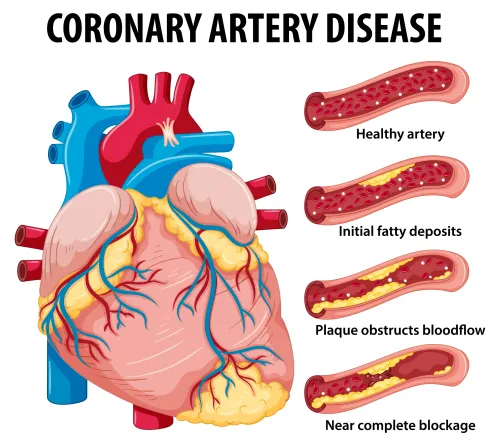


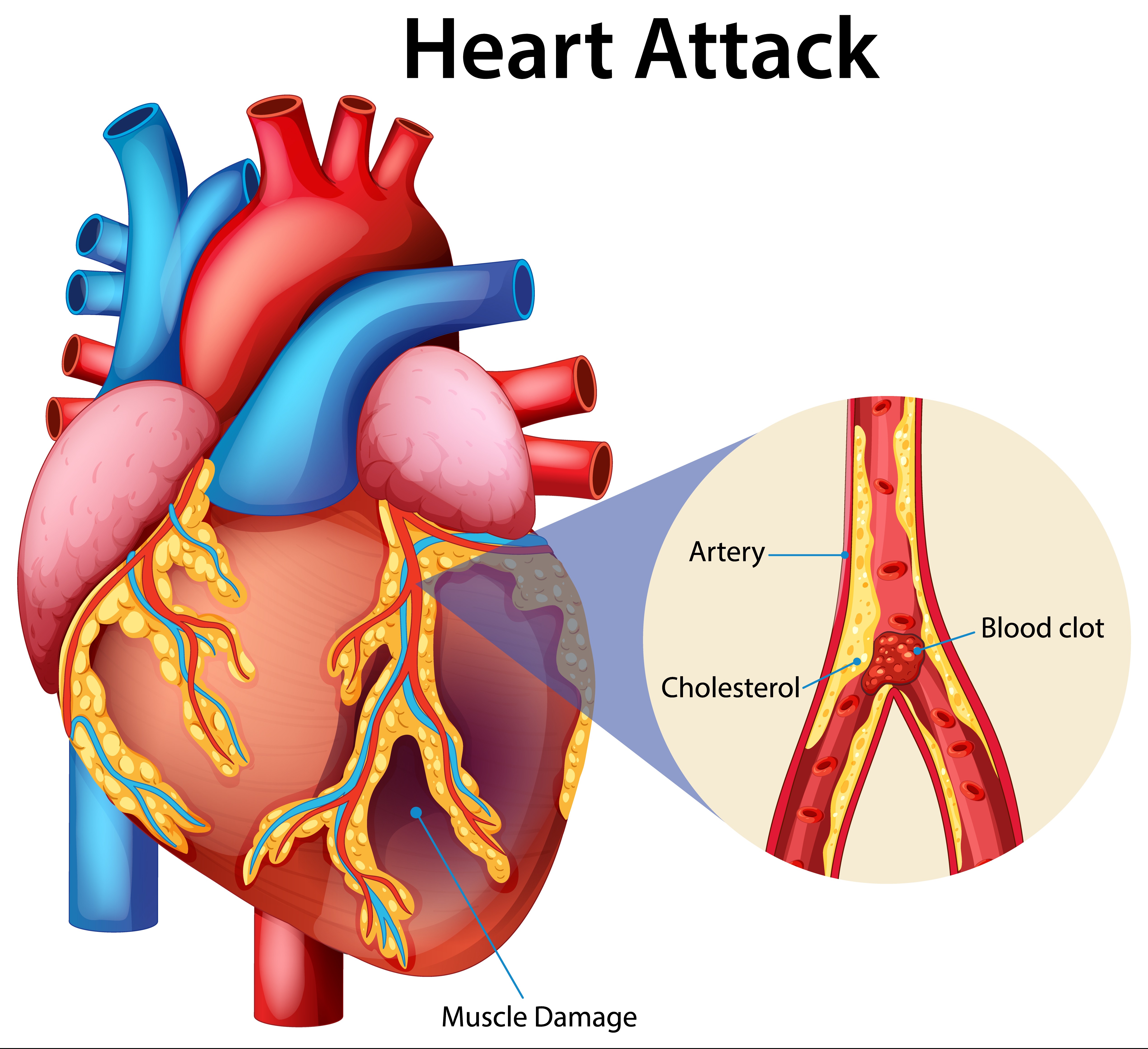
A heart attack occurs when blood flow supplying part of the heart muscle becomes suddenly blocked. Without adequate oxygen, heart muscle can become damaged, making rapid medical treatment essential.
One common mistake is expecting every heart attack to cause dramatic, crushing chest pain. Symptoms can vary, and some begin gradually.
Common Heart Attack Symptoms
Possible warning signs include:
- Chest pain, pressure, heaviness or discomfort
- Shortness of breath
- Unexplained sweating
- Nausea or vomiting
- Light-headedness or dizziness
- Unusual fatigue
- Rapid or irregular heartbeat
- Discomfort involving the arms, shoulders, back, neck or jaw
Some heart attacks produce relatively mild symptoms, while others occur suddenly and severely. People with diabetes and older adults may sometimes experience less obvious symptoms.
Is Every Chest Pain a Heart Attack?
No. Chest pain can result from several cardiac and non-cardiac conditions.
The problem is that it is not always possible to safely determine the cause based on sensation alone.
Pain related to stable angina may occur during physical activity and improve with rest or prescribed medication. Heart attack symptoms may be more persistent or severe. New, unexplained or concerning chest discomfort should therefore not be ignored.
What Happens at the Hospital?
When a heart attack is suspected, assessment commonly includes an ECG and blood tests.
An ECG can help identify electrical changes associated with a heart attack. Blood tests may measure troponin, a protein released into the bloodstream when heart muscle is injured. Testing may be repeated depending on the clinical situation.
Treatment depends on the type of heart attack and the underlying blockage. Medicines may be given, and some patients require urgent procedures to restore coronary blood flow.
Why Acting Quickly Matters
The longer heart muscle remains without adequate blood and oxygen, the greater the potential damage. Early treatment can help limit heart-muscle injury and improve outcomes.
Dr Sheetalkumar Hiran at Nine Pearl Hospital is involved in cardiology care in Nashik, including evaluation and management of coronary heart conditions.
However, suspected heart attack symptoms should never be handled like an ordinary clinic consultation.
For residents of Nashik and surrounding areas of Maharashtra, severe or persistent chest discomfort—particularly when accompanied by breathlessness, sweating, nausea, faintness or spreading upper-body discomfort—requires immediate emergency medical attention.
Knowing the warning signs matters because heart attacks do not always follow the textbook pattern. When symptoms suggest a possible cardiac emergency, rapid assessment is more important than waiting to see whether they disappear.