


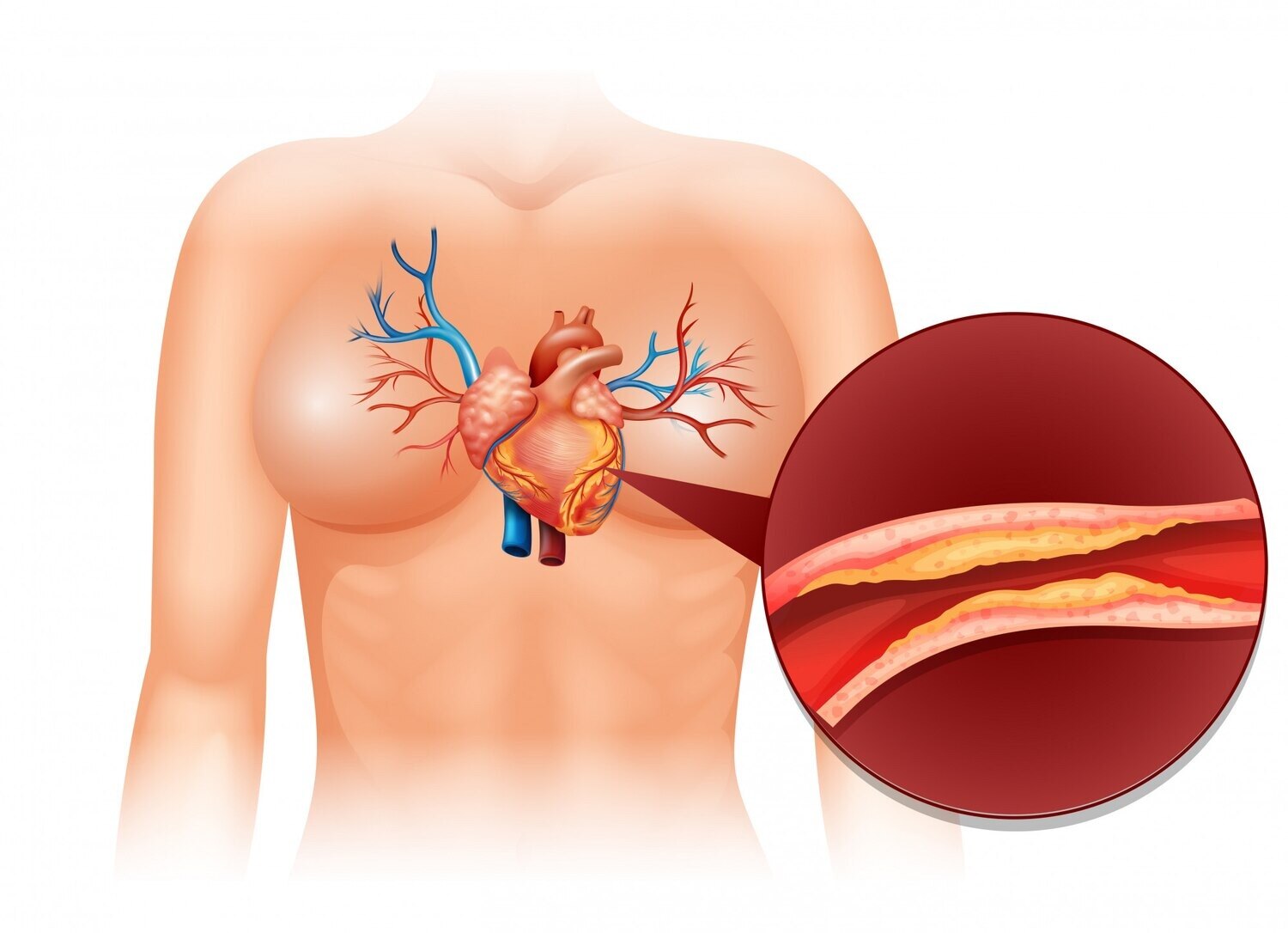
Age alone does not decide whether an older person should receive angioplasty. By reviewing symptoms, urgency, artery anatomy, frailty, kidney function, bleeding risk, expected benefit and personal goals, you can have a more useful discussion about angioplasty, medicines or bypass surgery with the treating team.
Key takeaways
- Age alone does not rule out angioplasty; overall health, frailty and personal goals matter.
- Chest pain with ECG changes or raised troponin needs urgent medical assessment.
- Ask how kidney function, anaemia and bleeding risk will change the procedure plan.
- Confirm medication, walking, wound-care and follow-up instructions before leaving hospital.
How Doctors Decide Whether an Older Adult Is Suitable
A birthday does not rule out angioplasty. Doctors assess symptoms, ECG and troponin results, stress-test evidence of reduced blood flow, echocardiography findings, and coronary CT or angiography before recommending treatment. The decision also includes kidney function, anaemia, bleeding risk, heart strength, other illnesses, frailty, mobility, cognition, life expectancy and the patient’s goals.
That combination determines angioplasty suitability in nashik, not age alone.
| Option | What doctors assess | When it may fit |
|---|---|---|
| Medicines alone | Symptoms, test results, coronary risk and expected quality-of-life benefit | Stable disease with manageable symptoms or limited procedural benefit |
| Angioplasty | A reachable blockage, suitable vessel size, kidney and bleeding risks, and expected symptom or emergency benefit | Heart attack, unstable symptoms, or selected stable single-vessel disease |
| Bypass surgery or Heart Team review | Left-main disease, complex three-vessel disease, diabetes, reduced heart function, diffuse calcification or chronic total occlusion | Anatomy where several stents may be less durable or complete treatment is difficult |
Frailty changes the risk–benefit calculation even when a blockage is technically treatable. Ask about falls, recent weight loss, walking ability, daily activities, caregiver dependence and memory problems; these predict recovery needs and affect informed consent.
For stable coronary disease, angioplasty is not automatically life-prolonging. If angina is frequent, it can improve quality of life; medicines may be reasonable when symptoms are controlled. During a heart attack or unstable angina, ECG changes, ongoing pain and haemodynamic instability can make immediate catheter-based treatment more important than completing every planned test first.
When Angioplasty Is Urgent—and When You Have Time to Compare Options
Chest pain at rest, a new ECG showing ST-segment elevation, or another acute coronary syndrome demands rapid hospital assessment. For an ST-elevation heart attack, primary PCI (angioplasty with stent) is generally preferred when it can be delivered promptly and safely. Do not delay emergency treatment while comparing hospitals or waiting for a bypass opinion.
| Option | What it means | When it applies |
|---|---|---|
| Immediate angioplasty | Opens the culprit artery with a balloon and usually a stent | Heart attack, unstable symptoms, or dangerous ECG changes |
| Medicines and monitoring | Antiplatelets, cholesterol-lowering treatment, blood-pressure control and anti-anginal medicines | Stable symptoms while doctors assess benefit, risk and treatment goals |
| Bypass surgery | Creates new routes around severely narrowed arteries | Left-main disease, complex three-vessel disease, diffuse calcification, or diabetes with anatomy better suited to surgery |
For stable chest pain, you usually have time to review the angiogram, echocardiogram, kidney function, frailty, cognition and personal goals with a cardiologist and, when needed, a Heart Team. A stent may relieve exertional pain and improve walking, but it does not restore youth-like stamina or prevent every future heart attack.
Ask whether medicines alone control symptoms, whether PCI can treat every important blockage, and whether bypass offers longer-lasting or safer results. Good heart blockage treatment for seniors in nashik matches urgency and coronary anatomy with the person’s life expectancy, independence and priorities—not age alone.
How Frailty, Kidney Disease and Bleeding Risk Change the Plan
Age alone does not rule out angioplasty for elderly in Nashik; frailty and reserve often matter more than the birth date. A person who has repeated falls, lost weight, needs help bathing or walking, or has dementia faces a greater risk of delirium, bleeding-related injury and loss of independence after the procedure.
Before consenting, ask the team to review:
- Falls and mobility: Can the patient walk to the toilet, climb steps and manage daily medicines? Limited mobility may require discharge support and physiotherapy planning.
- Cognition: Does the patient understand the reason, alternatives and risks? Include a trusted caregiver when memory loss prevents reliable consent or medication management.
- Kidney function: Check creatinine and eGFR, correct dehydration when appropriate, avoid unnecessary contrast and use the lowest reasonable contrast dose. Recheck kidney function after the procedure when risk is high.
- Bleeding risk: Review haemoglobin, platelet count, previous bleeding, ulcers, anticoagulants and antiplatelet medicines. Blood-thinning treatment after stenting can turn a fall into a serious bleed.
- Goals and resilience: Discuss whether the priority is relief from frequent angina, avoiding hospital stays or preserving independence, especially when frailty, heart failure or limited life expectancy reduces the expected benefit.
The plan may include medication changes, extra observation or a different access route. Consent should cover bleeding, kidney injury, stroke, delirium and the possibility that bypass surgery or medicines alone better match the person’s anatomy and goals.
What Recovery Requires After Angioplasty
Observation after angioplasty may last several hours or overnight, depending on the access site, bleeding risk, kidney function, heart rhythm and whether the procedure treated a heart attack. The team checks blood pressure, pulse, ECG, chest symptoms and the puncture site before discharge.
- Keep the wrist or groin puncture clean and dry as instructed. A small bruise is common, but expanding swelling, persistent bleeding, severe pain, a cold or numb hand or leg, breathlessness, or renewed chest pain needs urgent medical attention.
- Walk only when staff say it is safe. Start with short, supervised walks, avoid heavy lifting and strenuous activity until the cardiologist gives a limit, and arrange help with bathing, meals and stairs if balance or strength is poor.
- Take the prescribed antiplatelet medicines exactly as directed. A stent usually needs treatment such as aspirin with clopidogrel, prasugrel or ticagrelor; never stop it without medical advice. If you take warfarin or a direct oral anticoagulant, or have had gastrointestinal bleeding, confirm the written plan before leaving.
- Attend follow-up for symptoms, blood pressure, cholesterol, diabetes, blood count and kidney-function checks. Ask about cardiac rehabilitation, smoking cessation, activity progression and when driving is safe.
For heart blockage treatment for seniors in Nashik, the realistic gains are less exertional chest pain and better exercise tolerance—not guaranteed youthful stamina or protection from every future heart attack. Medicines, lipid lowering and rehabilitation remain part of recovery.
Questions to Ask Before Choosing a Nashik Heart-Care Team
Ask how the hospital would act at 2 a.m., not only how smoothly it schedules planned procedures. Compare the team’s emergency access, surgical backup, decision-making and follow-up in writing.
| Check | Emergency angioplasty | Elective angioplasty |
|---|---|---|
| 24-hour service | Is a catheterisation laboratory and interventional cardiologist available round the clock? | Who performs the procedure, and how soon can it be scheduled? |
| If PCI is not best | Is there a rapid transfer route for bypass surgery or advanced support? | Will a Heart Team compare medicines, PCI and bypass using the angiogram and medical history? |
| After discharge | Who checks kidney function and manages antiplatelet treatment? | What is the follow-up timetable, and who handles bleeding, kidney or medication problems? |
Ask these questions before signing consent:
- Does the hospital have on-site cardiac surgery, or a named referral pathway with documented transfer arrangements?
- For angioplasty for older adults in Nashik, how will you assess falls, walking ability, daily independence, memory, anaemia, kidney function and bleeding risk?
- Will the team explain whether left-main disease, complex three-vessel disease, diabetes or heavy calcification makes bypass safer than a stent?
- What contrast-reduction plan and kidney-function checks will be used?
Angioplasty suitability in Nashik depends on anatomy, urgency, overall health and the patient’s goals, not a birthday threshold.
Dr Sheetalkumar Hiran at Nine Pearl Hospital can be asked to explain the alternatives in those terms, including what benefit the procedure is expected to deliver and what happens if the family chooses medicines or a second opinion.
Related products
 | Angioplasty Specialist In Nashik What is Angioplasty ? The term Angioplasty means using a balloon to stretch open a narrowed or blocked artery. |
 | Angiography What is Angiography ? A Coronary Angiogram is a procedure that uses X-ray imaging to see your heart’s blood vessels. |
Frequently asked questions
How do doctors decide whether an older adult is suitable for angioplasty?
Doctors review symptoms, ECG and troponin results, evidence of reduced blood flow, heart function, coronary artery findings, kidney function, anaemia, bleeding risk, frailty, cognition, mobility, life expectancy and the patient’s goals.
When is angioplasty urgent, and when is there time to compare options?
Angioplasty becomes urgent when symptoms, ECG findings or blood tests indicate an acute heart attack or another dangerous reduction in blood flow. Stable symptoms with no immediate danger usually allow time to discuss medicines, angioplasty and surgery.
How do frailty, kidney disease and bleeding risk affect angioplasty?
Frailty can change the expected recovery and support needs. Kidney disease affects contrast-dye planning, while anaemia or bleeding risk influences blood-thinning medicines, access-site care and monitoring.
What does recovery require after angioplasty?
Recovery involves taking prescribed medicines exactly as directed, protecting and checking the catheter-entry site, gradually increasing activity, attending follow-up and following advice about rehabilitation and other heart-risk factors.
What should you ask before choosing a Nashik heart-care team?
Ask about the reason for angioplasty, alternatives, expected benefits, procedure risks, kidney-protection steps, blood-thinning medicines, hospital observation, emergency contact arrangements and follow-up care.
Related products
 | Bypass Surgery Coronary artery bypass surgery Coronary artery bypass surgery, also known as coronary artery bypass graft (CABG, pronounced “cabbage”) surgery, and... |
 | Cardiac Rehabilitation What is Cardiac Rehabilitation? What Does Cardiac Rehab Involve? Cardiac rehab doesn’t change your past, but it can help you improve your heart’s... |
 | Permanent Pacemaker Who Needs a Pacemaker? Doctors recommend pacemakers for many reasons. The most common reasons are bradycardia and heart block. |