


The right programme depends on your diagnosis, recovery stage, exercise risk, and access to trained clinical staff—not on the number of treadmills in a gym. By the end, you will know when to seek clearance, what safety standards to verify, how to compare local options, and what to prepare before enrolling.
Key takeaways
- Ask for rehabilitation referral before leaving hospital or at your first follow-up.
- Choose supervised exercise with blood pressure, heart rate, symptoms, and rhythm checks.
- Compare emergency access, staff qualifications, testing, session frequency, and home support.
- Continue prescribed exercise, medicines, diet changes, and follow-up after the programme ends.
Who should start rehabilitation, and when is it safe?
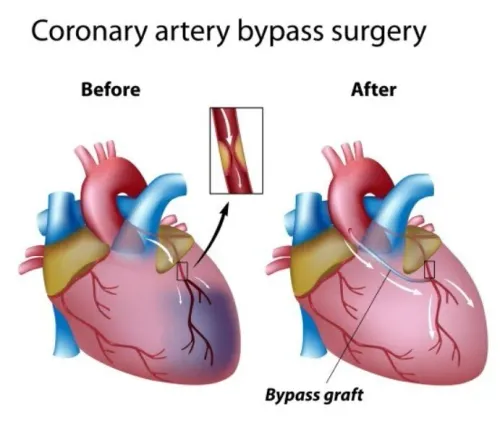
Ask about cardiac rehabilitation in Nashik after a heart attack, angioplasty, stent placement, bypass surgery, stable angina, valve treatment, heart transplantation, pacemaker implantation, or stable chronic heart failure. Referral belongs in the discharge plan or first follow-up visit; waiting until you feel completely normal delays exercise guidance and secondary prevention.
1. Request clearance before leaving hospital, or at the first cardiology review. The treating cardiologist must state when exercise can begin and set restrictions after complications, major procedures, abnormal rhythm, or reduced heart function.
2. Arrange medical review before exercising if you have uncontrolled chest pain, an acute infection, unstable or worsening heart failure, fluid overload, an uncontrolled arrhythmia, fainting, or a doctor-imposed activity restriction. Stable chronic heart failure can suit rehabilitation, but acute decompensation requires treatment first.
3. Send the centre your discharge summary, angiography or operation report, echocardiogram and stress-test results when available, recent ECG, current medicine list, diabetes or kidney-disease details, exercise history, emergency contact details, and planned follow-up date. These records prevent an unsafe decision based on missing information.
The start date and programme length depend on your diagnosis, healing, risk level, and the centre’s assessment—not one universal timetable. Do not stop antiplatelet drugs, beta-blockers, statins, or other cardiac medicines to exercise; ask the prescriber to adjust them.
What should the assessment and supervised exercise sessions include?
The first assessment should end with a clear exercise-risk decision, not a generic fitness plan. Ask the programme to document:
- Your medical history, current symptoms, recent hospital course, and warning signs.
- The discharge summary, angiography or operation report, echocardiogram, and other relevant results.
- Medication reconciliation against the cardiologist’s current list, including antiplatelets, beta-blockers, statins, and rhythm medicines.
- Blood pressure, resting ECG, heart-rhythm review, and functional capacity.
- Whether you need a supervised treadmill or cycle test, modified testing, or an exercise plan without formal testing.
A supervised exercise test is useful when your capacity is unclear, symptoms need assessment, or the team needs information about exertional blood pressure, rhythm, or possible ischemia. It is not automatically required for every low-risk patient; a careful assessment can support safe initial exercise when testing would not change the plan.
A proper session includes a planned warm-up, walking or cycling at an individualized workload, pulse and blood-pressure checks, symptom and perceived-exertion monitoring, then a gradual cool-down. Progress should follow your symptoms, heart-rate response, blood pressure, workload, and recovery—not a fixed pulse target. Beta-blockers and rhythm medicines can blunt or alter pulse responses.
Stop exercise for new chest pressure, unusual severe breathlessness, dizziness, faintness, sustained palpitations, low blood pressure, hypoglycaemia concerns, or signs of poor heart function. Staff should assess you and contact the cardiologist; emergency symptoms require urgent care. A cardiac rehab hospital in Nashik should show how this response is handled.
How do you compare a hospital, clinic, or home-based programme?
Choose by safety and fit, not the building’s name. Compare supervision, travel time, session frequency, monitoring, appointment availability, and communication with your treating cardiologist.
| Option | Supervision and monitoring | Practical fit |
|---|---|---|
| Hospital-based | Nurses or physiotherapists supervise each session; confirm whether a cardiologist is present or immediately available. Check ECG, oxygen, defibrillator, vital-sign recording, and a documented emergency response process. | Best when risk is higher, symptoms are complex, or you need close medical access. |
| Clinic-based | Confirm staff qualifications, monitoring frequency, emergency-trained personnel, and how the clinic escalates symptoms to your cardiologist. | Useful when travel is manageable and appointments match your work schedule. |
| Home or tele-rehabilitation | Suitable only after initial risk assessment, an individual exercise prescription, progress reviews, and a clear escalation plan. | Reduces travel and can suit stable, lower-risk patients with reliable internet, caregiver support, and regular communication. |
Ask who actually supervises each session. A cardiac rehab hospital in Nashik should identify its working nurses, physiotherapists, dietitians, psychologists, and emergency-trained staff, rather than only listing them online. Hospital-based does not automatically mean multidisciplinary care.
Check whether the programme accepts your diagnosis, accommodates your mobility and preferred language, and offers appointments you can attend consistently. A generic gym membership or fitness class does not provide medication review, medical risk assessment, symptom escalation, secondary-prevention education, or cardiologist follow-up.
Use the same questions to evaluate Dr Sheetalkumar Hiran at Nine Pearl Hospital: who monitors you, what equipment is available, how symptoms are recorded, and how updates reach your cardiologist. A credible heart recovery program in Nashik will answer clearly before you enrol.
Related product
 | Cardiac Rehabilitation What Does Cardiac Rehab Involve? Cardiac rehab doesn’t change your past, but it can help you improve your heart’s future. |
What will the programme require, teach, and measure?
Expect regular travel to the centre, scheduled supervised sessions, and prescribed home exercise. Ask for the exact session frequency and duration, transport time, home-work instructions, and log requirements. Record symptoms, activity, exertion, and missed sessions. Continue attending after the first improvement; stopping early leaves risk-factor changes unfinished.
Education should cover:
- Taking every medicine exactly as prescribed; never stopping antiplatelet drugs after a stent, beta-blockers, statins, or other cardiac medicines without the prescriber’s advice.
- Reducing salt, planning heart-healthy meals, managing diabetes and blood pressure, and changing tobacco use, sleep, weight, and daily routines.
- Recognising new chest pressure, severe unusual breathlessness, fainting, sustained palpitations, marked dizziness, or symptoms resembling the original event. Treat these as urgent symptoms, not as a reason to skip one session.
- Returning to work safely, including staged activity and job-specific restrictions.
Anxiety, depression, fear of exertion, and work stress deserve screening because they can reduce attendance and confidence. Ask whether counselling, psychological referral, or family education is included.
Compare costs beyond the advertised package:
| Cost item | Ask before booking | Why it matters |
|---|---|---|
| Consultations and sessions | Per-session or package billing? | Shows the real programme cost |
| Tests | Are ECG or laboratory fees separate? | Prevents unexpected charges |
| Attendance | What are missed-appointment rules? | Absences can add cost |
| Travel and family teaching | Is caregiver education included? | Time and support affect completion |
Progress is more than weight: compare walking duration, workload or exertion tolerance, blood pressure, symptom confidence, medication adherence, return to work, and daily activities.
How do you book, complete, and continue rehabilitation?
Start by asking the treating cardiologist for written clearance, exercise restrictions, and any precautions linked to your procedure or diagnosis. To book cardiac rehabilitation in Nashik, give the centre your diagnosis and treatment date, then provide:
- Discharge summary, procedure or angiography records, ECG, relevant test results, medicine list, and emergency contacts.
- Information about diabetes, kidney disease, blood pressure, previous exercise tolerance, and planned follow-up.
- Baseline assessment findings, including symptoms, blood pressure, rhythm, functional capacity, medicines, and exercise risk.
- An individual exercise prescription and education plan covering nutrition, tobacco cessation, medicines, warning signs, and risk-factor control.
- An agreed start date, session schedule, fees, missed-appointment policy, and communication method.
Before booking, ask who supervises each session, what happens if symptoms occur, how progress is measured, whether the prescription is written for you, which tests cost extra, how updates reach your cardiologist, and whether family teaching is included.
| Option | What to confirm | When it applies |
|---|---|---|
| Supervised centre | Monitoring, emergency equipment, progress reviews, and staff access | You can attend regularly |
| Home or tele-rehabilitation | Initial risk assessment, written prescription, scheduled reviews, and escalation plan | You are stable and travel is difficult |
After supervised sessions, continue with a maintenance exercise plan, review appointments, repeat testing when indicated, and medicine and risk-factor follow-up. New or worsening chest pressure, severe unusual breathlessness, fainting, near-fainting, sustained palpitations, marked dizziness, or symptoms resembling the original event require urgent medical attention—not simply missing the next session.
Frequently asked questions
Who should start cardiac rehabilitation, and when is it safe?
Ask about rehabilitation after a heart attack, angioplasty, stent placement, bypass surgery, stable angina, valve treatment, heart transplantation, pacemaker implantation, or stable chronic heart failure. Start after your treating cardiologist confirms that your condition is stable and sets exercise limits.
What should cardiac rehabilitation assessment and supervised exercise include?
Assessment should cover your diagnosis, medicines, symptoms, blood pressure, heart rate, functional capacity, risk factors, and exercise goals. Supervised sessions should monitor symptoms and vital signs, use a gradual exercise plan, and include emergency procedures.
How do you compare a hospital, clinic, or home-based programme?
Compare cardiology oversight, qualified exercise staff, monitoring equipment, emergency access, baseline testing, individualised plans, session frequency, travel demands, and communication with your cardiologist. Home-based rehabilitation needs clear instructions, scheduled reviews, and a way to report warning symptoms.
What will the programme require, teach, and measure?
Expect regular exercise sessions, medicine adherence, heart-healthy eating, smoking cessation support, stress management, and symptom education. The team should measure exercise tolerance, blood pressure, weight, symptoms, attendance, and progress toward personal goals.
How do you book, complete, and continue cardiac rehabilitation in Nashik?
Request a referral and discharge summary, then ask the provider about assessment dates, session timing, costs, emergency arrangements, and documents to bring. Complete the planned sessions and continue the prescribed activity and follow-up plan after discharge.