


The word angiography does not identify one test: the right choice depends on which blood vessels need assessment and whether the question concerns anatomy, blood flow or an emergency. By the end, you will be able to match coronary, CT, cerebral, carotid, peripheral and pulmonary angiography to the clinical situation and prepare better questions for the referring doctor.
Key takeaways
- Match the test to the vessel: heart, lungs, brain, kidneys or leg arteries.
- Choose coronary CTA for selected cases; catheter angiography can diagnose and treat blockages.
- Ask whether ECG, TMT, echo or MRI answers your clinical question first.
- Confirm contrast risks, kidney testing, preparation, recovery and emergency support before booking.
Match the angiography test to the vessel being investigated
The answer to which angiography test do I need starts with the vessel and the clinical question, not a generic package. Chest pressure may lead to coronary CTA or catheter coronary angiography; a suspected clot in the lungs needs pulmonary CT angiography; leg pain on walking may require an ankle–brachial index before imaging.
| Option | Vessel or area | When it applies |
|---|---|---|
| Coronary CTA | Heart arteries | Stable suspected coronary artery disease when CT image quality is expected to be adequate; it shows narrowing without inserting a catheter |
| Catheter coronary angiography | Heart arteries | High-risk findings, ongoing symptoms despite treatment, or a likely need for angioplasty or stenting; it shows the lumen and can allow treatment |
| Pulmonary CT angiography | Lung arteries | Suspected pulmonary embolism after clinical assessment and, when appropriate, D-dimer testing |
| Brain or carotid CTA, MRA, or catheter angiography | Brain and neck arteries | Stroke, aneurysm, carotid narrowing, or vascular-malformation assessment; the stroke or neurology team must specify the target |
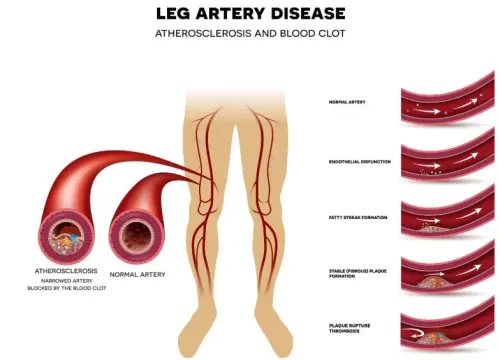
| Peripheral CTA, MRA, or catheter angiography | Leg, arm, kidney, or other body arteries | Abnormal basic testing or anatomy needed for treatment planning; peripheral angiography is not a coronary test |
These angiography test options answer different questions: CTA maps anatomy, while stress imaging tests whether blood flow becomes inadequate during exertion. Before booking, ask why that test is preferred, whether iodinated contrast and kidney-function testing are needed, and what treatment or follow-up would change after the result.
Coronary CTA or catheter coronary angiography?
Choose coronary CTA for a stable person with suspected coronary artery disease when the heart rate, kidney function and expected image quality make CT suitable. Choose catheter angiography when symptoms persist despite treatment, earlier tests show high-risk disease, or treatment may be needed immediately.
| Option | What it shows | When it fits | Main limitation |
|---|---|---|---|
| Coronary CTA | CT images of coronary artery anatomy | Stable symptoms and a non-invasive first assessment | Heavy coronary calcium, irregular heart rhythm or poor breath-holding can reduce image quality |
| Catheter coronary angiography | X-ray fluoroscopy after contrast enters through a wrist or groin artery | High-risk findings, acute coronary syndrome, or likely revascularisation | Invasive procedure with bleeding, contrast and kidney-related risks |
Angioplasty is not another diagnostic scan. Angiography creates the images; angioplasty treats a significant narrowing by inflating a balloon and sometimes placing a stent during the same catheter procedure. A CTA can identify narrowing, but it cannot open the artery.
Before booking angiography test options in Nashik, ask:
- Which artery and diagnosis are being investigated?
- Why is CTA preferred over a stress test, cardiac MRI or catheter angiography?
- Do you need iodinated contrast, creatinine or eGFR testing?
- What result would change treatment or follow-up?
Ongoing chest pain, ECG changes, fainting, severe breathlessness or high-risk troponin findings require emergency assessment, not a routine CTA appointment. A search for coronary angiography in Nashik should follow that clinical decision, not replace it.
When angiography is more useful than ECG, TMT, echo or MRI
Angiography is chosen when the clinician needs to see blood flow through a vessel, locate a blockage, clot, aneurysm or malformation, or plan treatment. ECG records electrical activity; TMT shows the heart’s response to exertion; echo shows structure and movement; MRI characterises tissue and blood flow. None maps a vessel narrowing as directly as angiography.
| Test | What it answers | When angiography adds value |
|---|---|---|
| ECG | Is the heart’s electrical pattern abnormal? | Coronary angiography is needed when artery blockage remains likely or treatment may follow. |
| TMT | Does exertion trigger symptoms or ECG changes? | Angiography clarifies the artery when results and symptoms point to significant disease. |
| Echo | Are valves, chambers and pumping function abnormal? | Angiography shows the coronary or other vessel causing suspected reduced blood supply. |
| MRI | What do heart muscle, tissue or vessels look like? | CTA, MRA or catheter angiography gives targeted vessel detail for a defined question. |
The types of angiography include coronary, pulmonary, cerebral, carotid, peripheral and aortic studies. Pulmonary CT angiography is used for suspected pulmonary embolism after clinical assessment; appropriate patients may need a D-dimer first, not an automatic scan. Ask which vessel and diagnosis the test is meant to investigate.
Do not book an outpatient scan for ongoing or recurrent chest pain, new ECG changes, fainting, severe breathlessness, sweating, low blood pressure or high-risk troponin results. Go to an emergency department.
Acute coronary syndrome may require urgent catheter angiography and angioplasty, while catheter procedures carry bleeding, contrast, kidney, stroke and heart risks; confirm that the facility can provide emergency PCI.
What happens before, during and after the test
Before angiography, confirm which vessel is being investigated, why this test is preferred, and how the result will change treatment. Ask whether you need CT angiography or catheter angiography, because recovery and risks differ.
- Tell the clinician about previous iodinated-contrast reactions, kidney disease, pregnancy possibility, diabetes medicines, anticoagulants and every current medicine. Check whether a creatinine and eGFR blood test is needed. Follow the centre’s fasting and medicine instructions; do not stop blood thinners without explicit advice.
- For catheter angiography, a team places local anaesthetic and guides a thin catheter through an artery, usually at the wrist or groin. Contrast outlines the vessel under X-ray fluoroscopy. If a significant coronary narrowing is found, balloon angioplasty or a stent may be performed after discussion, sometimes during the same session.
- Afterward, staff apply a wrist band or groin pressure dressing and observe you for bleeding, pulse changes and symptoms. Arrange an adult escort, transport home and time to rest; avoid driving and heavy lifting until the team gives a safe timeframe. CTA usually needs less recovery, but still requires contrast precautions.
For coronary angiography in Nashik, understand the uncommon risks: bruising or haematoma, arterial injury, allergic contrast reaction, kidney injury, abnormal rhythm, heart attack, stroke and death. Emergency procedures and serious illness increase risk. Ask who will manage a complication and whether urgent angioplasty is available.
Questions to ask before choosing an angiography service in Nashik
Choose the service only after the referring clinician names the vessel, suspected diagnosis and decision the result must support. Do not book a generic package. Ask why the recommended angiography test options are more suitable than stress imaging, ECG, echocardiography or MRI for your symptoms.
| Option | What it answers | What to verify |
|---|---|---|
| CT angiography | Shows coronary, pulmonary, aortic or peripheral vessels without a catheter | Ask whether iodinated contrast and a kidney-function test are needed |
| MR angiography | Assesses selected blood vessels without ionising radiation | Confirm that metal implants, kidney function or image quality will not limit it |
| Catheter angiography | Gives detailed vessel images and can lead directly to treatment | Ask about access-site risks, PCI capability and recovery arrangements |
Before choosing an angiography doctor in Nashik, ask who will perform the procedure, who will interpret the images and who will manage a complication. An interventional cardiologist fits coronary catheter angiography; a radiologist commonly interprets CTA or MRA, while brain, aortic and peripheral cases may need a specialist team.
Check the facility rather than its advertising label. Ask for the clinician’s registration details, emergency backup, contrast-reaction equipment, kidney-risk protocol and access to angioplasty when an urgent coronary blockage is found.
If you are considering Dr Sheetalkumar Hiran at Nine Pearl Hospital, ask these same questions and request a written explanation of how each possible result would change treatment or follow-up.
Related product
 | Angiography What is Angiography ? A Coronary Angiogram is a procedure that uses X-ray imaging to see your heart’s blood vessels. |
Frequently asked questions
Which angiography test do I need?
The vessel and clinical question determine the test. Coronary CTA or catheter coronary angiography assesses heart arteries; pulmonary CT angiography assesses lung clots; and vascular imaging evaluates arteries in the brain, kidneys or legs. Your clinician should select the test after reviewing symptoms and earlier results.
What is the difference between coronary CTA and catheter coronary angiography?
Coronary CTA uses a CT scanner and injected contrast to create images without a catheter entering an artery. Catheter coronary angiography passes a thin tube through an artery to the heart and can lead directly to treatment, such as angioplasty, when a significant blockage is found.
When is angiography more useful than an ECG, TMT, echo or MRI?
Angiography shows the inside or outline of blood vessels, while ECG records electrical activity, TMT assesses exercise-related changes, echo evaluates heart structure and motion, and MRI provides detailed tissue or blood-flow images. The right choice depends on the suspected condition and the question those tests need to answer.
What happens before, during and after an angiography test?
Before the test, discuss allergies, kidney disease, diabetes, pregnancy and medicines, and follow instructions about food and fluids. During the test, contrast creates vessel images; catheter angiography also involves local anaesthetic and catheter access. Afterward, follow wound-care, hydration, activity and warning-sign instructions.
What should I ask before choosing an angiography service in Nashik?
Ask which vessel and clinical question the test addresses, whether CTA or catheter angiography is better, who interprets the images, how kidney function and contrast reactions are handled, what preparation and recovery involve, and what emergency support is available.