

The heart has its own electrical system that coordinates each heartbeat. When this system becomes too slow or unreliable, the heart may not maintain an appropriate rate. In selected patients, Pacemaker Implantation can help maintain a suitable heart rhythm.
A pacemaker is not required for every irregular heartbeat. The decision depends on the specific rhythm abnormality, associated symptoms, and findings from cardiac evaluation.
What Is a Pacemaker?
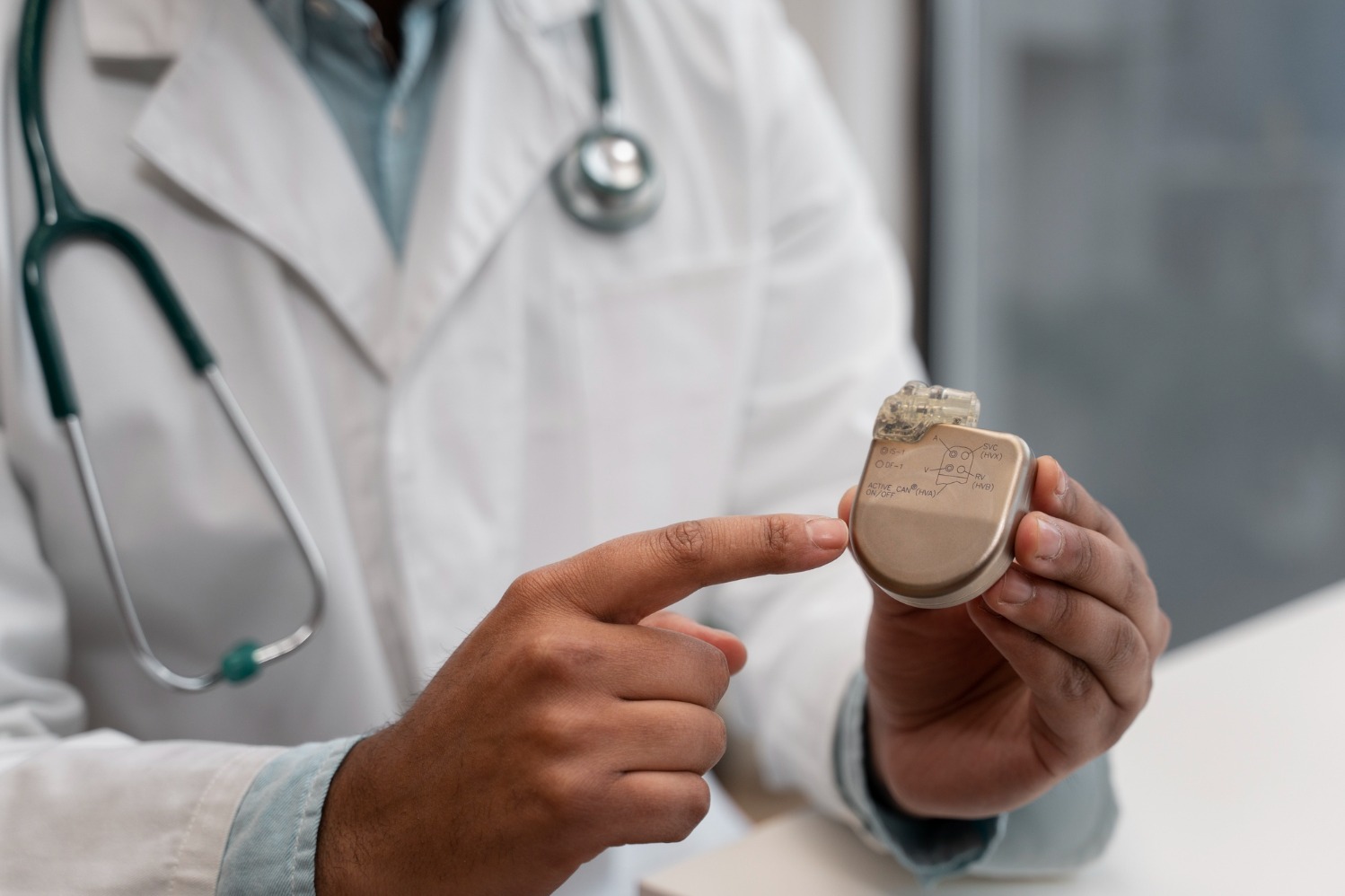
A pacemaker is a small electronic device that monitors heart rhythm and delivers electrical impulses when needed.
Depending on the type of pacemaker, one or more leads may be positioned in the heart and connected to a pulse generator. The precise device configuration is selected according to the rhythm problem and the patient's clinical needs.
Which Problems May Lead to Pacemaker Evaluation?
Pacemaker therapy may be considered for conditions such as symptomatic bradycardia, certain forms of heart block, sinus-node dysfunction, and other selected conduction disorders.
Symptoms associated with an excessively slow heart rate can include:
- Dizziness
- Fainting or near-fainting
- Unusual fatigue
- Breathlessness
- Reduced ability to exercise
- Weakness
These symptoms have many possible causes, so cardiac evaluation is necessary before attributing them to a rhythm disorder.
What Tests May Be Needed?
An ECG can identify some rhythm and conduction abnormalities immediately. When symptoms occur intermittently, longer rhythm monitoring may be useful.
Doctors may also use echocardiography and blood investigations, while reviewing medication and medical conditions that could influence heart rate.
The aim is to determine whether the rhythm problem is persistent, intermittent, reversible, or likely to benefit from pacing.
Questions to Discuss Before Implantation
Patients being considered for a pacemaker can ask about:
- The exact rhythm diagnosis
- Why pacing is recommended
- The type of device being considered
- Procedure-related risks and expected recovery
- Follow-up and device checks
- Medicines that should be continued
- Practical precautions after implantation
Clear answers make long-term device care easier to understand.
Patients in Nashik who have symptoms or test findings suggesting a cardiac rhythm or conduction problem can consult Dr Sheetalkumar Hiran for cardiovascular assessment and discussion of appropriate management.
After implantation, regular pacemaker checks are important. These allow the clinical team to evaluate battery status, device function, pacing activity, and relevant stored rhythm information.
Pacemaker treatment should ultimately be based on a clearly established indication rather than symptoms alone. Identifying the underlying rhythm problem is what determines whether implantation is likely to be appropriate.