

Finding a coronary artery narrowing does not automatically mean that Stent Placement is required. Some patients benefit from coronary intervention, while others can be appropriately managed with medication and cardiovascular risk-factor control.
The choice is individualized, making proper evaluation especially important for people in Nashik who have been diagnosed with coronary artery disease.
What Does a Coronary Stent Do?
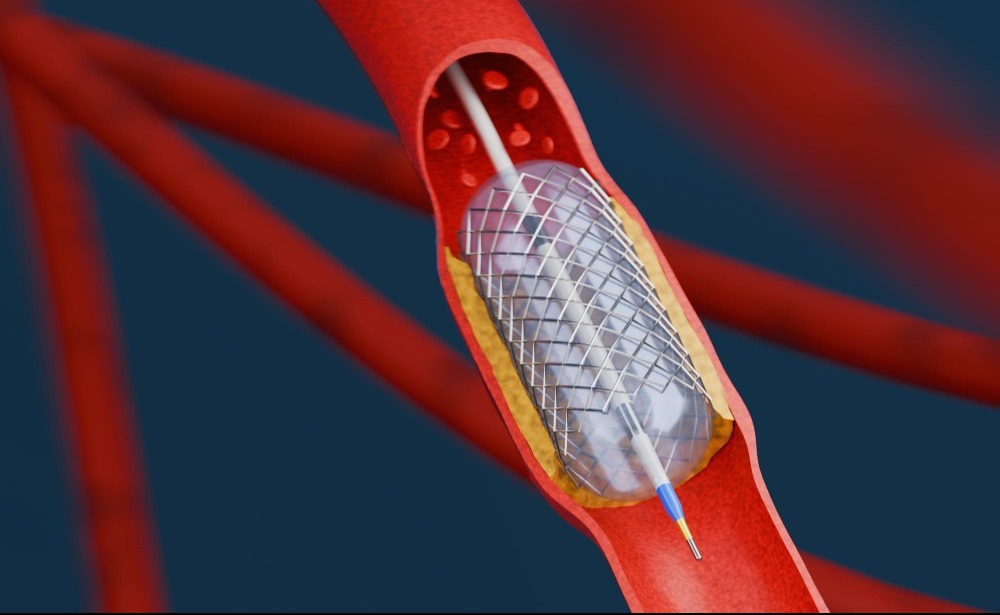
A coronary stent is a small mesh-like device placed within a narrowed coronary artery during angioplasty. Its purpose is to help maintain blood flow through the treated section of the artery.
Modern coronary stents are commonly drug-eluting, meaning they release medication locally to reduce the likelihood of excessive tissue growth within the stented area.
When Can Medication Be Appropriate?
Stable coronary artery disease does not always require immediate intervention.
Depending on symptoms and clinical findings, treatment may include medicines that reduce cardiovascular risk, control angina, manage cholesterol, control blood pressure, or reduce the likelihood of clot-related complications.
Lifestyle and risk-factor management remain important regardless of whether a stent is inserted.
When Can an Intervention Become Important?
The balance changes in certain situations.
An acute heart attack caused by an abruptly blocked coronary artery can require urgent restoration of blood flow. Significant narrowing associated with persistent symptoms despite appropriate medical therapy may also lead to consideration of revascularization.
Other factors include:
- Location of the narrowing
- Number of arteries involved
- Severity of disease
- Heart pumping function
- Diabetes and other health conditions
- Complexity of coronary anatomy
Some patterns of disease may be more appropriately treated with bypass surgery rather than multiple stents.
Questions Worth Asking Before Treatment
Patients considering a coronary procedure can ask:
- What does the angiogram show?
- How severe and clinically significant is the narrowing?
- Why is a stent being considered?
- Are medication or bypass surgery reasonable alternatives?
- Which medicines will be required afterward?
- What follow-up and lifestyle changes will be necessary?
These questions turn the consultation into a shared discussion rather than a purely procedural decision.
In Nashik, Dr Sheetalkumar Hiran evaluates patients with coronary disease and discusses interventional options based on their individual clinical findings.
Stenting can be an important treatment when appropriately indicated, but successful cardiovascular management does not finish when the procedure ends. Medication adherence, cholesterol and blood-pressure management, diabetes control when relevant, tobacco avoidance, physical activity, and follow-up remain important.
The most useful question is therefore not simply, 'Do I need a stent?' It is, 'Which treatment strategy best fits my current heart condition and coronary anatomy?'