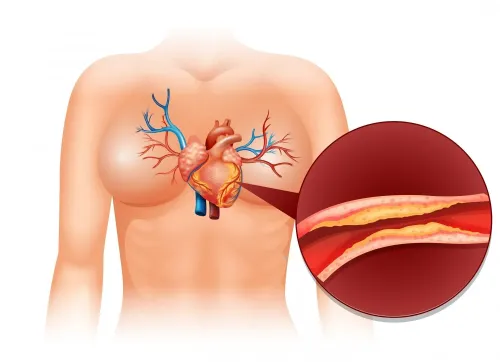


An angiogram can show narrowed coronary arteries, but it cannot by itself determine whether bypass surgery is your best option. Before admission, you should understand how grafts are chosen, why CABG may be preferred over stenting or medication, which records and medicines need review, and how recovery will affect your home and work plans.
Key takeaways
- Bring angiography images, reports, medicine lists and previous discharge summaries.
- Ask why bypass is safer or more durable than stents for your blockages.
- Confirm fasting, medicine changes, admission timing and required preoperative tests.
- Seek urgent care for chest pain, severe breathlessness, fainting or wound infection after surgery.
How doctors decide whether bypass is the right treatment
CABG becomes a stronger choice when angiography shows significant left-main disease, complex three-vessel disease, or several blockages that stents cannot treat reliably. Doctors also give CABG greater weight when extensive coronary disease occurs with diabetes or reduced left-ventricular pumping function.
The decision depends on more than the number of blockages. A Heart Team of a cardiologist and cardiac surgeon reviews:
1. Your symptoms: limiting angina, breathlessness or symptoms despite appropriate medicines favour revascularisation; stable, mild symptoms may respond to medication alone.
2. Your anatomy and heart function: diffuse disease, long or heavily calcified lesions, left-main narrowing, or poor ventricular function can make CABG more durable than angioplasty.
3. Your risk and preferences: kidney disease, lung disease, frailty, previous procedures and surgical risk affect the balance. The team should explain expected benefits, recovery and alternatives.
| Option | When it may fit | Main trade-off |
|---|---|---|
| CABG | Left-main or complex multivessel disease, especially with diabetes | Larger operation and longer recovery |
| Angioplasty with stent | Fewer, accessible blockages with suitable anatomy | Possible repeat treatment |
| Medication alone | Symptoms controlled and anatomy has no clear survival benefit from revascularisation | Disease remains and symptoms need monitoring |
| No planned procedure | No symptoms, or risks outweigh likely benefit | Seek review if symptoms change |
The bypass surgery benefits in Nashik depend on this individual assessment, not the hospital location. Coronary bypass treatment in Nashik still requires lifelong cholesterol, blood-pressure and diabetes control, exercise, smoking cessation and rehabilitation.
Severe or ongoing chest pain, sweating, breathlessness, nausea or collapse requires emergency care, not a routine consultation.
What happens during the operation
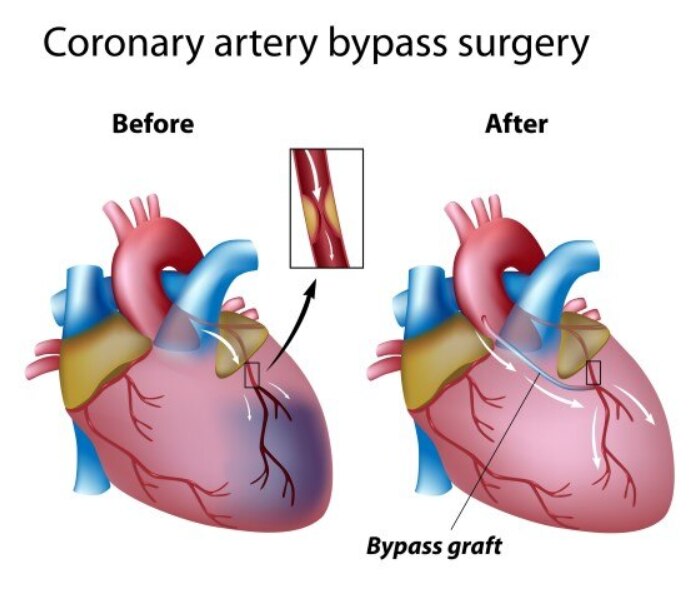
A bypass does not remove coronary plaque. The surgeon attaches a healthy blood vessel above and below a narrowed segment, creating a new route for blood to reach the heart muscle. Common grafts include the internal mammary artery from the chest, the radial artery from the arm and the saphenous vein from the leg.
The left internal mammary artery connected to the left anterior descending artery is a durable standard when suitable.
During bypass surgery in nashik, the operation may use either approach:
| Option | How it works | Practical difference |
|---|---|---|
| On-pump CABG | A heart-lung machine circulates and oxygenates blood while the heart is temporarily still. | A still field can help with complex or multiple grafts, but the machine adds its own risks and monitoring needs. |
| Off-pump CABG | The surgeon operates on the beating heart using stabilising equipment. | It avoids the heart-lung machine, but movement can make grafting technically demanding; it is not automatically safer. |
The choice depends on coronary anatomy, number and location of grafts, ventricular function, other illnesses and the surgeon’s experience. Evidence does not support presenting off-pump surgery as a guaranteed way to avoid complications. Coronary bypass treatment in nashik also requires long-term cholesterol, blood-pressure and diabetes control, prescribed antiplatelet treatment, exercise and cardiac rehabilitation.
What to take to your bypass surgery consultation
Carry the complete record, not only a printed angiogram, to a bypass surgery consultation in Nashik. The Heart Team needs the actual images, measurements, medicines and previous events to identify graft targets and estimate heart, kidney and bleeding risks.
| Record | Bring | Why it matters |
|---|---|---|
| Coronary anatomy | Angiogram images in DICOM format on CD, USB or secure portal, plus the written report | Shows the number, location and complexity of blockages and helps surgeons plan graft routes |
| Cardiac function | Latest echocardiogram with left-ventricular ejection fraction, ECG and stress-test report | Reveals pumping strength, valve problems and inducible ischaemia |
| Blood and metabolic tests | CBC, creatinine/eGFR, electrolytes, glucose, HbA1c and lipid profile | Flags anaemia, kidney impairment, diabetes control and cholesterol risk |
| Treatment history | Current medicines with dose and frequency, including aspirin, anticoagulants, insulin, inhalers and supplements | Prevents unsafe interruptions and drug interactions |
| Operations and illness | Surgical and anaesthesia history, discharge summaries and prior stent or bypass details | Identifies earlier complications and changes the operative plan |
- Every medicine allergy and reaction.
- Diabetes, kidney or lung disease, stroke, bleeding problems and smoking history.
- Any prior operation or anaesthetic complication.
Questions to ask the surgeon and hospital before agreeing
Ask for specific answers, not “everything is routine.” Before agreeing, put these questions on your list:
1. Which grafts will you use, and why? Ask whether the left internal mammary artery will connect to the left anterior descending artery, whether vein or arm-artery grafts are planned, and how many grafts you expect.
2. Will the operation use a heart-lung machine (on-pump) or a beating heart (off-pump)? Ask why that technique suits your coronary anatomy, ventricular function and surgical risk, and how much experience the surgeon has with it.
3. How long should I expect in intensive care and in hospital? Ask what could extend that time, including ventilation, bleeding, kidney injury, infection, stroke, abnormal rhythm or wound problems.
4. What happens if a serious complication occurs? Confirm 24-hour cardiac-surgery backup, blood-bank access, emergency reoperation arrangements, infection-control processes and a rehabilitation pathway.
Ask for your personal chance of death, stroke, kidney injury, graft failure and repeat intervention, alongside the likely angina relief and survival benefit. Any discussion of bypass surgery benefits in Nashik should use your results, not an advertised average.
When discussing bypass surgery in Nashik, Dr Sheetalkumar Hiran at Nine Pearl Hospital can help you identify which hospital and Heart Team will provide that backup.
Related product
 | Bypass Surgery Coronary artery bypass surgery Coronary artery bypass surgery, also known as coronary artery bypass graft (CABG, pronounced “cabbage”) surgery, and... |
How to prepare for admission and manage medicines safely
Before a bypass surgery consultation in Nashik, arrange transport, an adult caregiver, leave from work, and help at home for washing, meals and lifting after discharge. Ask the hospital when to stop eating, where to report, and which documents to carry.
- Obtain the angiogram images, not only the written report.
- Collect echocardiography results, kidney-function tests, blood counts and recent diabetes results.
- Write every medicine, dose and timing, including aspirin, blood thinners, insulin, diabetes tablets, vitamins and herbal supplements.
- Add details of allergies, previous operations, bleeding problems and prior anaesthesia reactions.
Do not stop aspirin or an anticoagulant such as warfarin, apixaban, rivaroxaban or dabigatran on your own. The cardiologist and cardiac surgeon must give you a written plan stating which drug to continue, the exact last dose, whether a replacement injection is needed, and when treatment restarts.
The plan depends on your clotting risk, bleeding risk and operation date.
Ask for specific instructions for metformin, sulfonylureas, newer diabetes medicines and insulin. Fasting changes the safe dose, and the team may need glucose checks with an adjusted insulin schedule before and after surgery. Coronary bypass treatment in Nashik still requires long-term medicines after discharge; never treat preoperative instructions as permission to abandon them later.
What recovery, long-term treatment and warning signs involve
After discharge, expect fatigue, reduced appetite and chest or leg soreness. Keep the wound clean, walk as instructed, avoid lifting until the surgeon clears you, and arrange transport for follow-up. Cardiac rehabilitation builds activity safely and teaches exercise, diet and medication habits.
| Area | What to expect or do | Seek urgent help for |
|---|---|---|
| Recovery | Gradual improvement over several weeks; attend cardiac rehabilitation | New or worsening chest pressure, severe breathlessness, fainting or coughing blood |
| Long-term protection | Take prescribed antiplatelet and high-intensity statin medicines; control blood pressure and diabetes; stop smoking | Stroke-like symptoms, such as facial drooping, arm weakness or trouble speaking |
| Wound and infection | Check the chest incision daily and report changes | High fever, spreading redness, pus or wound separation |
Coronary bypass treatment in Nashik does not remove atherosclerosis, so lifelong risk-factor treatment protects the grafts and other arteries. If you are weighing bypass surgery benefits in Nashik, ask for a written medicine plan, rehabilitation referral and emergency contact before leaving hospital. Never stop aspirin, blood thinners or other cardiac medicines without instruction.
Frequently asked questions
How do doctors decide whether bypass surgery is the right treatment?
Doctors compare angiography findings, including left-main disease, three-vessel disease and stent suitability, with diabetes, heart function, symptoms and overall surgical risk.
What should I take to a bypass surgery consultation in Nashik?
Take angiography images and reports, ECG and echocardiogram results, blood-test reports, a complete medicine list with doses, allergy details and previous hospital records.
What questions should I ask before agreeing to bypass surgery?
Ask which arteries need grafts, why bypass is preferred over stents, what benefits and risks apply to you, who will perform the operation, the expected hospital stay and the follow-up plan.
How should I prepare for admission and manage medicines safely?
Confirm the admission time, fasting instructions and preoperative tests. Do not stop aspirin, blood thinners, diabetes medicines or other prescriptions until the surgical team gives specific instructions.
What does recovery after bypass surgery involve, and which warning signs need urgent attention?
Recovery includes wound care, gradual activity, prescribed medicines, cardiac rehabilitation and long-term control of blood pressure, cholesterol, diabetes and smoking. Seek urgent help for chest pain, severe breathlessness, fainting, heavy bleeding, fever or an infected wound.