

Heart care does not always involve surgery. Many cardiovascular conditions can now be evaluated and treated using catheter-based procedures that require much smaller access points than traditional open surgery. An Interventional Cardiologist focuses on diagnosing and managing cardiovascular problems using these minimally invasive techniques when they are clinically appropriate.
For people in Nashik and surrounding areas of Maharashtra, understanding the role of interventional cardiology can make discussions about coronary artery disease, blocked arteries, angiography, and angioplasty easier to follow.
What Does Interventional Cardiology Involve?
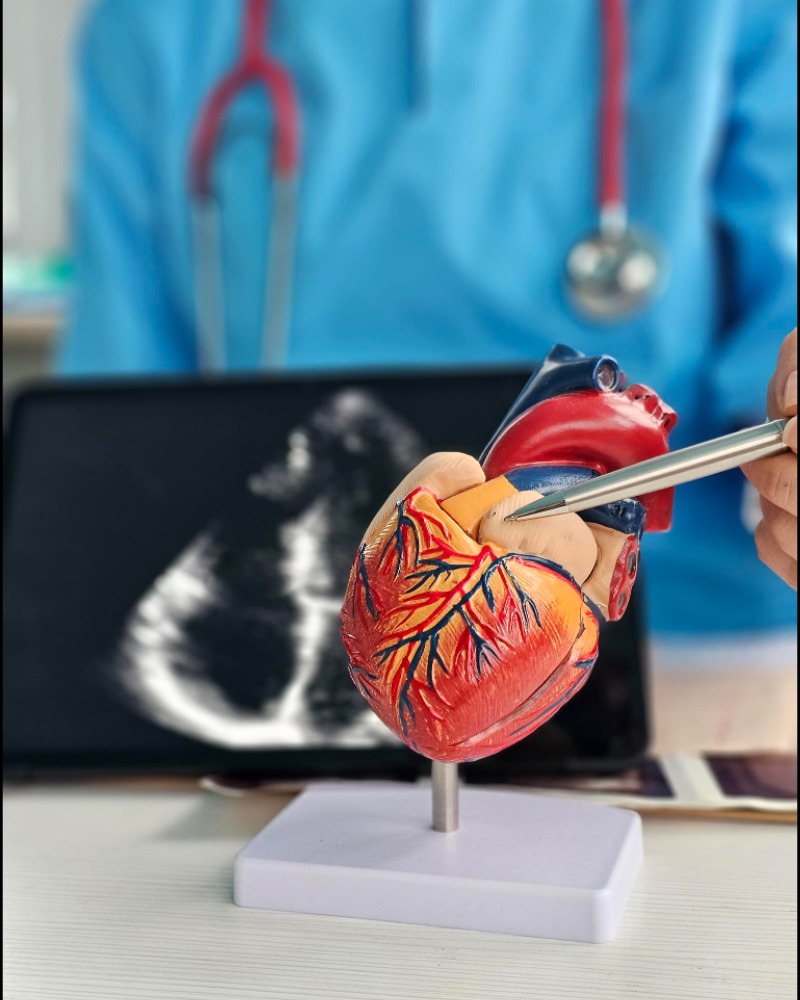
Interventional cardiology is a specialized branch of cardiology concerned particularly with catheter-based diagnosis and treatment. A thin catheter can be guided through a blood vessel to reach the heart and coronary arteries.
Depending on the patient's symptoms and findings, evaluation may involve coronary angiography. If a significant narrowing or blockage is identified, an interventional procedure such as angioplasty may be considered.
An interventional cardiologist may be involved in the management of:
- Coronary artery narrowing or blockage
- Chest pain associated with reduced blood supply to the heart
- Acute heart attacks
- Certain structural heart conditions
- Patients requiring coronary angiography
- Cases in which angioplasty and stenting are being considered
Not everyone with heart disease needs an intervention. Medicines, lifestyle modification, risk-factor management, monitoring, or surgery may be more appropriate in particular circumstances.
Why Proper Evaluation Comes First
Symptoms alone cannot establish whether an artery is blocked or whether a procedure is required. The cardiologist considers the patient's history, physical examination, ECG findings, blood tests, imaging, and other investigations.
The severity and location of coronary narrowing are also important. Treatment decisions can differ significantly between two people who appear to have similar symptoms.
Symptoms That Deserve Attention
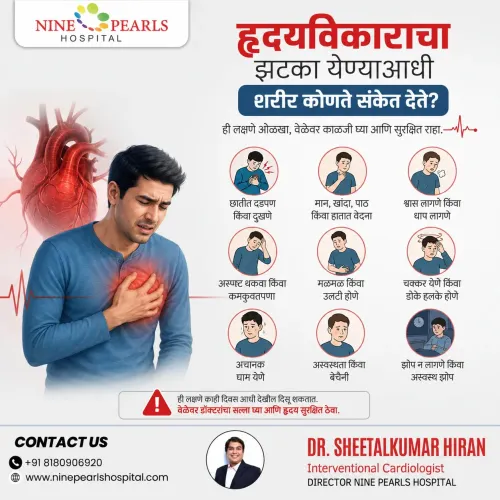
Persistent or recurring chest pressure, unexplained breathlessness, reduced exercise tolerance, and discomfort occurring during physical activity should not simply be ignored.
Sudden severe chest pressure, particularly when accompanied by sweating, nausea, breathlessness, faintness, or discomfort spreading to the arm, back, neck, or jaw, can indicate a medical emergency and requires immediate emergency evaluation.
Understanding Your Treatment Options
Modern cardiac treatment is increasingly individualized. The goal is not to perform an intervention simply because a narrowing exists, but to determine which approach is most appropriate for the patient's condition.
In Nashik, Dr Sheetalkumar Hiran provides cardiovascular assessment that can include evaluation for interventional cardiac procedures when indicated. A detailed assessment helps patients understand whether medication, further investigation, angioplasty, another intervention, or ongoing monitoring may form part of their treatment plan.
Knowing what an interventional cardiologist does can make the next stage of cardiac care less confusing and help patients participate more meaningfully in treatment decisions.