

New leg swelling, visible veins, aching or a slow-healing wound can reflect a vein disorder, an artery problem, lymphatic swelling or something unrelated to blood vessels. You will be able to judge the urgency, choose the right clinician, prepare for testing and compare treatment options before booking care.
Key takeaways
- Call emergency services for sudden leg swelling with chest pain or breathlessness.
- Ask whether duplex ultrasound is needed for suspected deep vein thrombosis.
- Do not start compression stockings before arterial circulation is checked.
- Bring medication details, symptom timing, and previous scan reports.
Should you book an appointment, seek same-day care or go to emergency?
Choose the care level by symptom pattern, not by the label “vein problem.”
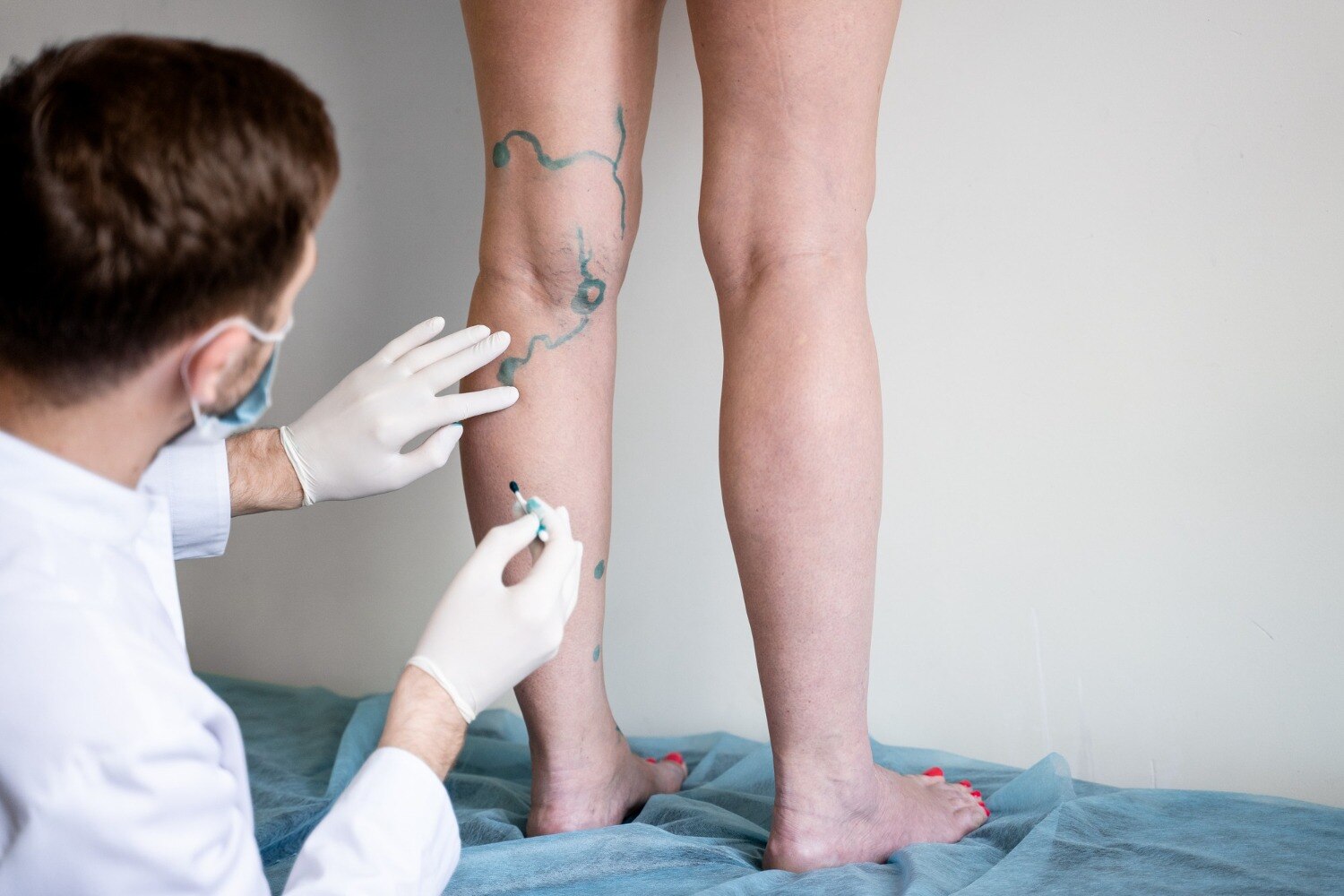
- Book a routine vein specialist appointment in Nashik for visible varicose veins, leg heaviness, aching, ankle swelling, itching, skin changes, night cramps or a non-healing wound that has not changed suddenly.
- Arrange same-day assessment for new one-sided swelling with calf or thigh pain, warmth, redness or tenderness when there is no obvious injury. This pattern can indicate deep vein thrombosis (DVT).
- Go to emergency care for sudden breathlessness, chest pain, coughing blood, fainting or a rapid heartbeat. These symptoms can signal a pulmonary embolism.
- Treat a suddenly cold, pale, painful, numb or weak limb as an emergency because arterial blood flow may be threatened.
Pregnancy, older age, obesity, prolonged standing, previous clots and family history affect assessment, but none diagnoses DVT alone. Bilateral swelling or long-standing ankle discoloration can have venous, lymphatic, heart, kidney, liver, medication-related or musculoskeletal causes.
| Clinician or service | Main role | Best match |
|---|---|---|
| Vascular doctor in Nashik | Assesses vein and artery conditions | Varicose veins, suspected DVT or leg-artery disease |
| Vascular surgeon | Provides vascular diagnosis and procedures | Complex veins, blocked arteries or threatened limbs |
| Interventional radiologist | Uses image-guided vascular procedures | Selected venous or arterial treatments |
| Cardiologist with vascular expertise | Assesses circulation alongside heart disease | Vascular symptoms with cardiac risk |
| General surgeon | Handles selected surgical problems | Confirm that vascular assessment is available |
| Emergency department | Provides immediate examination and escalation | Breathing symptoms or threatened limb |
Before booking a vascular specialist appointment in Nashik, confirm that the clinician evaluates the actual problem. A vein specialist appointment in Nashik is not the right route for every arterial or emergency condition.
What happens during the appointment and vascular testing?
Booking starts with a symptom timeline: when swelling or pain began, whether it is one-sided, what triggers it and whether it is worsening. The clinic then decides whether you need immediate imaging or a routine consultation.
- A DVT doctor in Nashik may ask about recent surgery or hospitalisation, long travel, immobility, pregnancy, cancer, hormone medicines, smoking, injury, previous clots, procedures and family history.
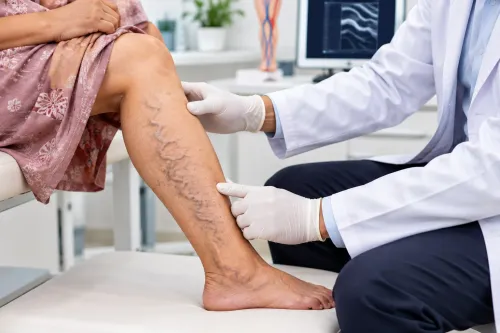
- Examination may include skin colour and temperature, ulcers, swelling, calf-circumference comparison, pulses and pain brought on by walking.
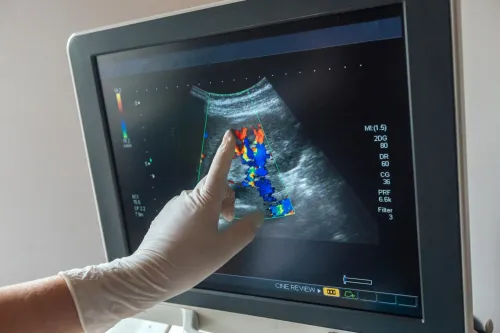
- Duplex ultrasound uses sound waves to assess blood flow, vein compression, obstruction and reflux. It can also show arterial narrowing and flow direction, and often takes 30 to 60 minutes depending on the area scanned.
- D-dimer is used selectively after clinical-probability assessment. It cannot replace imaging when DVT is suspected.
- Bring medication lists, including anticoagulants, prior Doppler or CT reports, discharge papers, diabetes or kidney records, pregnancy status and details of previous clots.
Ask whether to remove compression stockings and whether fasting is needed for your specific test. Duplex ultrasound itself usually requires no fasting.
The clinician explains the result, treatment or surveillance plan, warning signs and follow-up date. A normal scan does not explain every cause of leg pain; muscle, nerve, lymphatic and joint problems can remain. During a vascular specialist appointment in Nashik, ask which finding supports the diagnosis and when to return.
How can you tell a clot, chronic vein disease and artery disease apart?
New, one-sided swelling and pain raise concern for deep vein thrombosis (DVT), but symptoms alone cannot diagnose a clot. A DVT is a clot in a deep vein; superficial thrombophlebitis affects a surface vein and can create a painful, tender cord beneath the skin.
| Pattern | Features that may fit | What confirms or redirects |
|---|---|---|
| DVT | New one-sided swelling, pain, warmth or tenderness | Duplex ultrasound; urgent assessment matters |
| Chronic venous insufficiency | Persistent swelling, heaviness, itching, eczema or symptoms worse after standing | Duplex ultrasound can assess reflux and obstruction |
| Lymphedema | Longer-lasting swelling with skin thickening | Examination and lymphatic or other testing when needed |
| Peripheral artery disease | Calf, thigh or buttock pain during walking that improves with rest | Ankle-brachial index and arterial testing |
| Advanced artery disease | Rest pain, ulcers, gangrene, or a cold, pale foot | Urgent vascular assessment |
Swelling in both legs can also result from heart, kidney, liver, medication-related, lymphatic or musculoskeletal causes. “Peripheral vascular disease” is too broad to choose treatment because it can describe different artery and vein conditions.
An ankle-brachial index compares ankle and arm systolic pressure. An ABI of 0.90 or less is generally abnormal; above 1.40 can indicate stiff, noncompressible arteries. Diabetes or advanced kidney disease can produce falsely high results, so toe pressures, exercise ABI, Doppler waveforms or imaging may be needed.
A peripheral vascular doctor in Nashik or a DVT doctor in Nashik can match the test to the suspected condition.
Which treatments are used, and what should you avoid starting yourself?
Treatment follows the confirmed problem, not the symptom alone. Walking plans, leg elevation and clinician-prescribed compression can help selected chronic venous conditions, but compression needs correct measurement, fitting and review when significant arterial disease or possible DVT exists.
| Condition | Treatments that may apply | What to avoid |
|---|---|---|
| Chronic venous disease or varicose veins | Walking, elevation; duplex-confirmed truncal reflux may lead to endothermal ablation, ultrasound-guided foam sclerotherapy or surgery | Treating compression as a substitute for evaluation |
| DVT | Anticoagulation; treatment depends on kidney function, bleeding risk, pregnancy, cancer and whether the clot was provoked | Starting aspirin, anticoagulants or stockings without medical advice |
| Peripheral artery disease | Smoking cessation, structured exercise, blood-pressure, diabetes and cholesterol treatment; selected cases need revascularisation | Assuming angioplasty treats routine venous disease |
If DVT is strongly suspected and a scan cannot be obtained promptly, a clinician may start anticoagulation before imaging. After diagnosis, ask about bleeding precautions, treatment duration, review dates, follow-up imaging when indicated and pulmonary embolism warning signs.
Do not start aspirin, an anticoagulant or compression stockings yourself when a clot or poor arterial circulation is possible. A peripheral vascular doctor in Nashik can help match the plan to the scan findings; duplex surveillance is safer than an immediate procedure when symptoms, anatomy and risk do not justify intervention.
For peripheral artery disease, angioplasty, stenting or bypass is reserved for selected function-limiting disease that persists despite medical treatment and exercise, or for limb-threatening ischaemia. Recognise the difference before choosing care.
How do you choose and prepare for vascular care in Nashik?
Choose a clinic that evaluates your actual problem, not just “circulation.” Before booking a vascular specialist appointment in Nashik, confirm duplex testing, who performs and reviews it, how suspected DVT is escalated, which clinicians manage venous and arterial disease, whether referral is needed, the location, result communication and the after-hours number.
| Clinic check | What to confirm | Why it matters |
|---|---|---|
| Testing | Duplex ultrasound and scan reviewer | Reflux, obstruction and arterial flow need the right interpretation |
| Clinician | Vascular surgeon, interventional radiologist, cardiologist or vein-focused physician | Varicose veins, DVT and artery disease require different expertise |
| Urgency | Same-day DVT pathway and emergency escalation | Prevents routine scheduling from delaying treatment |
| Practicalities | Referral rules, address, results method and after-hours phone | Avoids a missed report or unanswered urgent call |
At consultation, ask: What is the diagnosis? Which scan finding supports it? Do I need treatment now or surveillance? What are the alternatives, duration, recurrence risk and warning signs? A vein specialist appointment in Nashik may require separate visits for ultrasound, circumference or pulse measurements, medication review and follow-up.
Carry a symptom timeline covering onset, triggers, one-sided or bilateral swelling, walking distance, wounds and prior treatment. Allow time for daily compression or anticoagulant precautions. If considering Dr Sheetalkumar Hiran at Nine Pearl Hospital, confirm the responsible clinician and testing route beforehand. This helps distinguish venous, arterial, lymphatic and nonvascular causes.
Frequently asked questions
When should you book an appointment, seek same-day care or go to emergency?
Book a vascular appointment for persistent swelling, visible varicose veins, heaviness, cramps or skin changes. Seek same-day care for new one-sided swelling, warmth, redness or calf pain, especially after surgery, long travel or immobilisation. Go to emergency care for chest pain, sudden breathlessness, coughing blood, fainting, or a cold, pale, painful limb with weakness or numbness.
What happens during a vascular appointment and testing?
The clinician reviews your symptoms, risk factors and medicines, then checks pulses, skin colour, temperature, swelling and limb measurements. A duplex ultrasound can assess blood flow, vein reflux and a suspected clot. Arterial testing may include an ankle-brachial pressure index, which compares ankle and arm blood pressure.
How can you tell a clot, chronic vein disease and artery disease apart?
A clot often causes sudden one-sided swelling, warmth, tenderness or redness. Chronic vein disease causes recurring heaviness, ankle swelling, varicose veins and skin darkening that worsens after standing. Artery disease causes exertional calf or thigh pain relieved by rest, cool feet, weak pulses or slow-healing wounds. Symptoms overlap, so testing is needed.
Which vascular treatments are used, and what should you avoid starting yourself?
Treatment depends on the diagnosis and can include anticoagulants for confirmed venous thrombosis, compression for suitable venous disease, vein procedures, supervised walking therapy, and medicines or revascularisation for artery disease. Do not start anticoagulants, compression stockings, massage or strenuous exercise without assessment, particularly when a clot or poor arterial flow is possible.
How do you choose and prepare for vascular care in Nashik?
Choose a vascular or peripheral vascular doctor who evaluates both veins and arteries and can arrange duplex ultrasound and related testing. Before your visit, record when symptoms began, whether one leg is affected, triggers, recent travel or surgery, and all medicines. Bring prior reports, discharge papers and a list of allergies.