

A proper assessment looks beyond the appearance of a vein: it identifies whether reflux, obstruction or another condition is causing your symptoms. By the end, you will know what happens at consultation, when duplex ultrasound is needed, how treatments differ and which warning signs require urgent care.
Key takeaways
- Observe small, stable spider veins without pain, swelling, skin changes or bleeding.
- Ask for a duplex ultrasound to check blood flow and identify faulty valves.
- Compare stockings, procedures, recovery time and follow-up before choosing treatment.
- Seek urgent care for sudden leg swelling, severe pain, bleeding or skin breakdown.
Is the vein mainly cosmetic, symptomatic or urgent?
Observation is reasonable when veins are small spider veins, cause no pain, swelling, itching, skin change or bleeding, and remain stable. A photograph alone does not prove that treatment is needed.
Plan a clinical assessment for aching, heaviness, ankle swelling, night cramps, itching, skin discolouration, bleeding, or an ulcer. Varicose vein treatment in Nashik should follow a recent venous duplex ultrasound, not appearance alone; the scan identifies reflux, obstruction and veins feeding the visible bulges.
Seek immediate medical assessment for sudden one-sided leg swelling or pain, chest pain, unexplained breathlessness, coughing blood or fainting. Heavy bleeding from a varicose vein also needs urgent care: lie down, elevate the leg and apply firm pressure while arranging help.
Use this checklist when deciding between observation and planned treatment:
- Ask whether the visible veins are spider veins, tributary varicosities or evidence of deeper venous reflux.
- Ask which vein is refluxing and whether a duplex ultrasound confirms it.
- Record symptoms, their duration and whether they limit walking, sleep or work.
- Report previous clots, ulcers, vein procedures and all medicines, especially blood thinners.
- Ask what happens if you observe the vein, and whether compression is appropriate.
- For any proposed procedure, ask about alternatives, anaesthesia, compression and follow-up.
Closing a refluxing vein does not guarantee that every surface vein disappears immediately; bruising, tenderness, tightness, temporary numbness and residual tributaries can occur.
What happens during a consultation and duplex ultrasound?
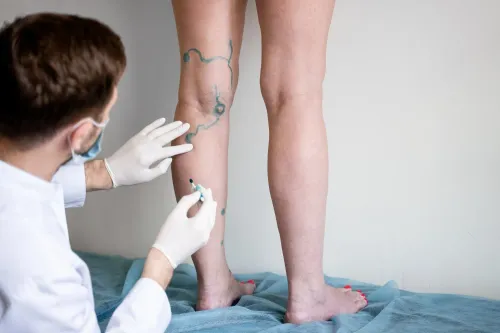
A varicose vein consultation in Nashik usually starts with questions and a leg examination, not a treatment decision based on appearance alone. The clinician inspects and feels the veins, often while you stand, and checks swelling, skin colour, tenderness, healed wounds or ulcers.
The consultation record usually includes:
- Aching, heaviness, itching, night cramps, swelling, bleeding or skin changes, including when symptoms worsen.
- Previous blood clots, ulcers, vein procedures, injuries and relevant family history.
- Medicines, allergies and conditions that affect circulation or bleeding.
- Pregnancy, recent delivery or plans for pregnancy, because invasive treatment is generally deferred during pregnancy.
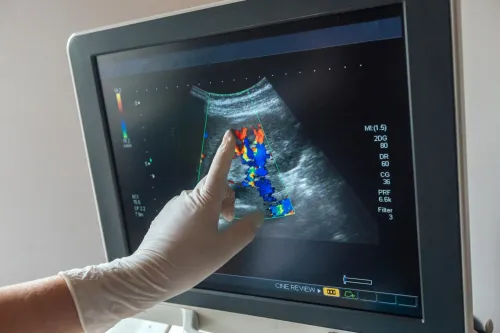
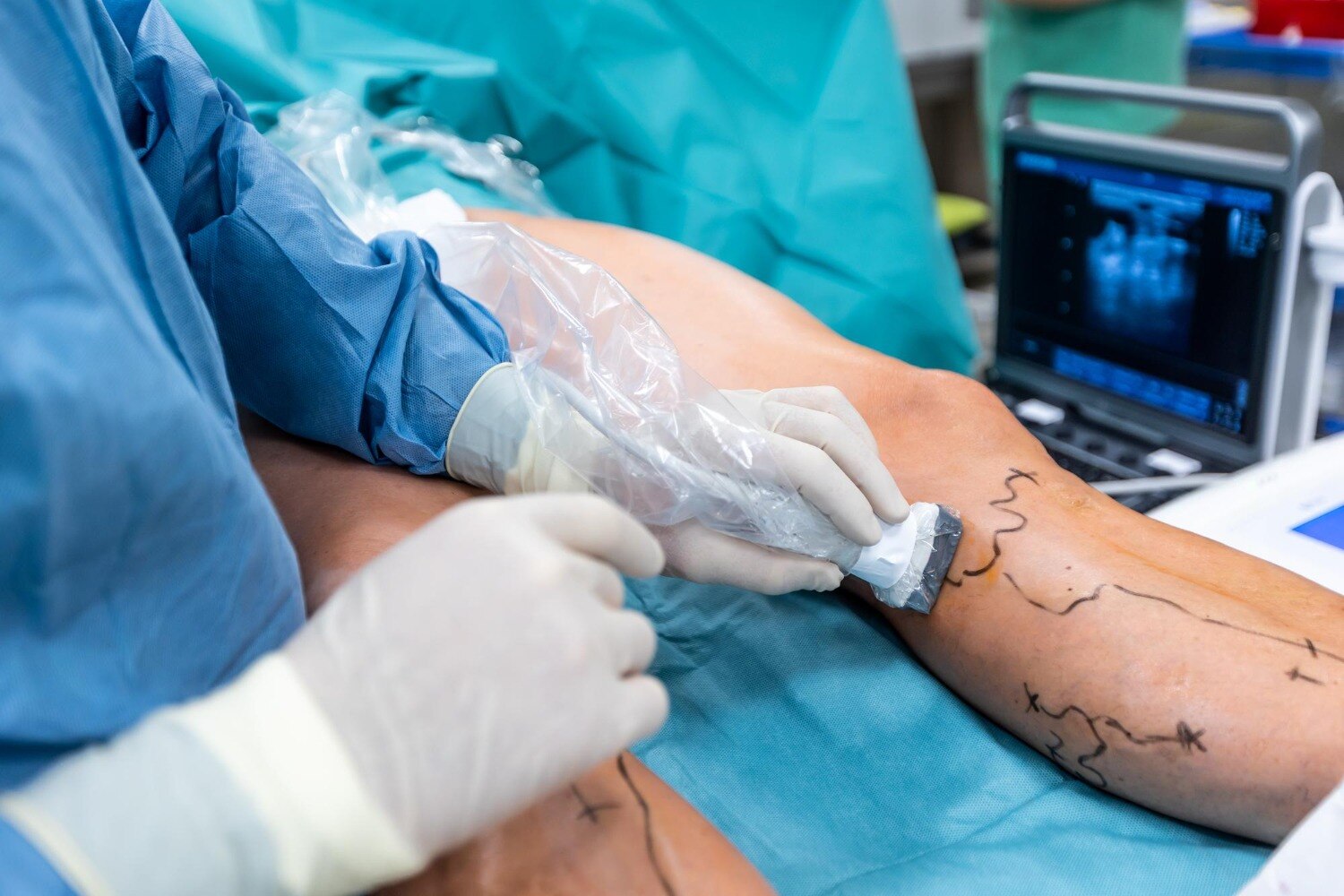
A venous duplex ultrasound uses gel and a handheld probe to create images while Doppler measures blood flow. The sonographer examines the deep and superficial veins, often with you standing, and applies gentle pressure or asks you to strain.
Healthy valves stop blood moving backward; reflux appears when blood falls back through faulty valves after release. The scan also identifies obstruction, narrowed or blocked segments, and the veins feeding the visible varicosities.
The report should name the refluxing vein and show its connection to the surface veins. Spider veins without underlying reflux need a different assessment from large symptomatic varicosities. Ask whether the proposed treatment is based on this recent duplex report; a photograph alone cannot establish the cause.
Which vein treatment options might be recommended?
The duplex ultrasound decides the starting point: clinicians identify the refluxing vein, its size and route, symptoms, previous procedures and your preferences before recommending treatment. A photograph alone cannot show the cause.
| Option | What it does | When it applies |
|---|---|---|
| Compression | Stockings reduce venous pooling and swelling but do not close the faulty vein. | Useful for symptom control, pregnancy, limited mobility or when a procedure is unsuitable. |
| Sclerotherapy | Liquid or foam sclerosant irritates and closes a targeted vein. | Suitable for smaller varicosities, tributaries and residual veins; ultrasound guidance helps treat deeper targets. |
| Endovenous ablation | Laser or radiofrequency heat seals the refluxing vein from inside. | Usually the first procedural option for suitable confirmed reflux; it is commonly performed as a day case under local or tumescent anaesthesia. |
| Phlebectomy | Small skin punctures remove surface varicose branches. | Used for prominent tributaries, often alongside ablation. |
| Surgery | Ligation and stripping tie off and remove the faulty vein. | Considered when endothermal ablation is unsuitable and foam treatment is not appropriate or has failed. |
For vein treatment in Nashik, ask which vein is refluxing and whether a recent duplex report supports the recommendation. If endothermal treatment is unsuitable, ultrasound-guided foam sclerotherapy is generally considered before surgery.
Treatment does not promise instant removal of every visible vein: bruising, tenderness, tightness, temporary numbness and residual branches can occur, with further sclerotherapy sometimes needed. Ask about anaesthesia, compression, walking, work, exercise and follow-up before agreeing.
What should you expect from stockings, procedures and recovery?
Compression stockings compress the leg, improve venous return and reduce swelling, aching and heaviness; they do not close a refluxing vein. A measured, correctly fitted pair is important, and arterial circulation may need checking before strong compression is prescribed. They are most useful when intervention is unsuitable, declined or unlikely to help.
- Before treatment, the clinician reviews your recent duplex report, identifies the refluxing vein, checks medicines and discusses anaesthesia, compression and follow-up. Tell them if you are pregnant or planning pregnancy; invasive treatment is generally deferred during pregnancy.
- During endovenous ablation, a catheter is guided into the faulty vein under ultrasound, then heat or medical adhesive closes it. Surgical treatment involves tying off and removing the vein, usually through small incisions, with the anaesthesia plan explained beforehand.
- Afterward, walk as instructed rather than remaining in bed. Expect tenderness, bruising or tightness for several days; compression and pain relief depend on the procedure. Attend the planned review so healing and residual veins can be assessed.
Ask which symptoms the procedure is intended to improve and what happens if you choose observation or stockings. Discuss bleeding, infection, skin staining, nerve irritation, superficial thrombophlebitis, recurrence, deep-vein thrombosis and pulmonary embolism before consenting.
In varicose vein treatment in nashik, a recent duplex—not a photograph alone—should guide the plan; the same standard applies when comparing vein treatment in nashik.
How can you evaluate a proposed treatment plan in Nashik?
Do not agree to a procedure because a vein looks troubling in a photograph. A varicose vein consultation in Nashik should connect your symptoms to a recent venous duplex ultrasound, identify the refluxing or obstructed vein, and explain why the proposed treatment fits that finding.
Ask these questions before consenting:
- Which vein is refluxing, and can you show me this on the duplex report?
- What alternatives apply, including observation, compression, sclerotherapy, ablation, phlebectomy or surgery?
- What anaesthesia will you use, and will I need compression afterwards?
- What are the risks, including skin staining, nerve irritation, infection, recurrence, deep-vein thrombosis and pulmonary embolism?
- What follow-up is included, and what symptoms require urgent review?
| Question | Evidence-based answer | Warning sign |
|---|---|---|
| Why treat this vein? | Symptoms or ultrasound-confirmed reflux support the plan | The reason is appearance alone |
| Why this procedure? | It matches the vein’s size, pathway and reflux pattern | No alternative is discussed |
| What happens next? | You receive recovery instructions and a review date | Follow-up is unclear |
A specialist consultation with Dr Sheetalkumar Hiran at Nine Pearl Hospital can help you compare the scan, symptoms and treatment risks rather than judge success by appearance alone. Tell the clinician if you are pregnant or planning pregnancy; invasive vein treatment is generally deferred during pregnancy.
A surface spider vein can remain if underlying reflux is untreated, so ask what the scan found before choosing vein treatment in Nashik.
Related product
 | usually announce themselves as bulging, bluish cords running just beneath the surface of your skin . They almost always affect legs and feet. View product → |
Frequently asked questions
When are varicose veins cosmetic, symptomatic or urgent?
Small, stable spider veins without pain, swelling, itching, skin changes or bleeding are often observed. Symptoms such as aching, swelling, itching or skin changes require clinical assessment. Sudden swelling, severe pain, bleeding or skin breakdown needs prompt medical attention.
What happens during a varicose vein consultation and duplex ultrasound?
The clinician reviews your symptoms, medical history and medicines, examines your legs while standing and may order a duplex ultrasound. The scan uses sound waves to map blood flow, locate reflux and assess the veins before treatment is selected.
Which varicose vein treatment options might be recommended?
The plan depends on the ultrasound findings, vein size, symptoms and skin condition. Options can include observation, compression stockings, sclerotherapy, endovenous thermal treatment or surgery when a specialist considers it appropriate.
What should you expect from stockings, procedures and recovery?
Stockings require the correct size and consistent use. Procedures differ in preparation, anaesthesia, walking instructions, bruising, wound care and return-to-work time, so ask for a written recovery plan and follow-up schedule.
How can you evaluate a proposed varicose vein treatment plan in Nashik?
Ask which vein is causing the problem, what the duplex ultrasound found, why the recommended option fits, what alternatives exist, the expected recovery, possible complications and the follow-up plan.